This is a question that I get asked a lot as a Clinical Myotherapist. Many patients often tell me that they get great benefits from visceral manipulation – and have friends and family members whom they know visceral manipulation would be able to help – but don’t know how to describe or explain it. Hopefully, this article will serve as a valuable patient resource for addressing this problem.
The reality is that there are numerous health benefits to visceral manipulation treatment, which I outline in the article below. The primary reason Visceral Manipulation is so effective at relieving pain is that it targets the root cause. This means that treatment effects are longer-lasting, less frequent, and consequently less expensive overall; the minimum time I will see a patient for a repeat treatment after an initial visit is two to three weeks. This space between treatments is essential to allow the nervous system time to process and integrate deep soft tissue changes.
Health Benefits of Jean-Pierre Barral’s Visceral Manipulation
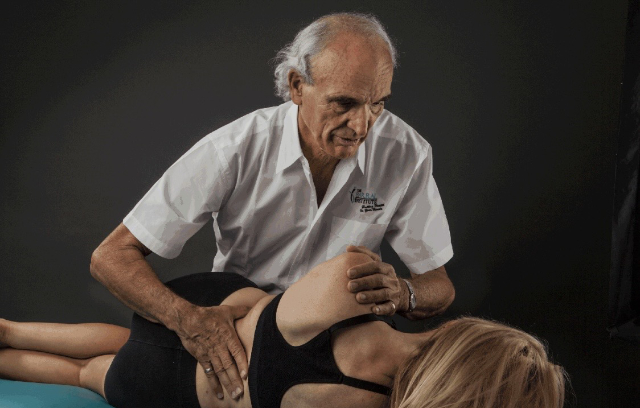
Many people live with chronic pain, digestive issues, or a constant feeling that something in their body is “off,” even after trying exercise, medication, or traditional physical therapy, such as remedial massage, osteopathy, and physiotherapy. The problem is not always the muscles or joints. Sometimes the source lies deeper—within the organs themselves and in how they move within the body.
Jean-Pierre Barral’s visceral manipulation offers a different way to look at health. Instead of focusing only on bones and muscles, it works with the natural mobility of the internal organs and their connective tissues. This gentle, hands-on therapy aims to restore balance, reduce tension, and support the body’s innate ability to heal itself.
In this article, you’ll learn what visceral manipulation is, how it works, and the key health benefits people experience from this approach. You’ll also understand who it may help most and why it has become a respected method in manual therapy worldwide.
What Is Jean-Pierre Barral’s Visceral Manipulation?
Visceral manipulation (VM) is a manual therapy developed by French osteopath and physical therapist Jean-Pierre Barral. It focuses on the mobility, tone, and movement of the internal organs—such as the liver, stomach, intestines, lungs, and kidneys—and how they interact with muscles, joints, nerves, and fascia.
According to Jean-Pierre Barral, “For an organ to be in good health, it must be able to move.” Each organ in the body has a natural motion. It moves slightly as you breathe, walk, and change posture. Trauma, surgery, inflammation, poor posture, or chronic stress can restrict this movement. When an organ loses its mobility, it can create tension patterns that spread throughout the body, leading to pain or dysfunction far from the original source.
This makes logical sense when you think about it; the health and function of the internal organs are essential for life. The body will therefore sacrifice the muscles to protect and maintain the internal organs.
Visceral manipulation uses gentle, precise touch to identify restrictions and encourage normal movement. The goal is not force, but listening to the body and guiding it back toward balance.
Why Organ Mobility Matters for Overall Health
The organs are not isolated structures. They are connected to each other and to the musculoskeletal system through fascia, ligaments, and nerves. When one area becomes restricted, the body compensates elsewhere.
For example:
- A restricted liver can affect shoulder or neck mobility
- Digestive tension can contribute to low back pain
- Pelvic organ restrictions can influence hip or knee function
Restoring organ mobility can improve circulation, nerve signaling, and mechanical balance. This is why visceral manipulation often produces whole-body effects, not just local relief.
Key Health Benefits of Visceral Manipulation
1. Reduction of Chronic Pain
One of the most reported benefits of visceral manipulation is relief from chronic pain. This includes pain that has not responded well to conventional treatments.
By addressing deep restrictions around organs and fascia, visceral manipulation can reduce tension that pulls on muscles and joints. When the body no longer has to compensate, pain patterns often soften or disappear.
People commonly seek visceral manipulation for:
- Chronic low back pain
- Neck and shoulder tension
- Pelvic pain
- Persistent joint discomfort
- Digestive distress
The therapy works gently, making it suitable even for people who are sensitive to strong manual techniques.
2. Improved Digestive Function
Digestive health is a core focus of visceral manipulation. Restrictions around the stomach, intestines, liver, or diaphragm can interfere with normal digestion and elimination.
Visceral manipulation will help support:
- Bloating and abdominal discomfort
- Constipation or irregular bowel movements
- Acid reflux symptoms
- Post-surgical digestive issues
By improving organ mobility and blood flow, the digestive system can function more efficiently. Many people notice not only physical relief, but also a greater sense of ease in their abdomen.
3. Better Posture and Body Alignment
Posture is influenced by more than muscles. Organ tension can subtly pull the spine and pelvis out of alignment, even if muscles are strong and flexible.
When visceral restrictions are released, the body often reorganises itself naturally. People may notice:
- Standing more upright without effort
- Reduced strain in the lower back or neck
- Easier, more balanced movement
This benefit is especially valuable for people with sedentary lifestyles, those who sit for long hours, or those who feel that posture exercises alone are not enough.
4. Enhanced Breathing and Diaphragm Function
The diaphragm plays a central role in breathing, posture, and circulation. It is closely connected to organs like the liver, stomach, and lungs.
Visceral manipulation can free restrictions around the diaphragm, which may lead to:
- Deeper, more relaxed breathing
- Reduced chest or rib tension
- Improved oxygen exchange
- Better stress regulation
Many clients report feeling calmer and more grounded after sessions, partly due to improved breathing mechanics.
5. Support for the Nervous System
The organs are richly connected to the autonomic nervous system, which regulates digestion, heart rate, and stress responses. When organ tissues are restricted, they can send constant stress signals to the brain.
Gentle visceral work helps calm the nervous system by reducing these signals. Potential benefits include:
- Improved sleep quality
- Reduced stress and anxiety symptoms
- Better emotional regulation
This makes visceral manipulation a useful complement for people dealing with chronic stress, burnout, and emotional trauma.
6. Faster Recovery After Surgery or Injury
Surgery often leaves behind scar tissue, adhesions, and internal restrictions, even after external healing is complete. These restrictions can limit organ mobility and affect surrounding structures.
Visceral manipulation will help:
- Improve mobility around surgical sites
- Reduce pulling or tightness from scar tissue
- Support circulation and lymphatic drainage
Visceral manipulation should not be a substitute or replacement for mainstream medical care, however, it is a valuable part of long-term recovery and rehabilitation.
7. Improved Pelvic and Reproductive Health
Visceral manipulation is frequently used to support pelvic health in both women and men. The pelvic organs rely on balanced tension and mobility for optimal function.
Potential benefits include:
- Reduced pelvic pain
- Support for menstrual comfort
- Improved bladder and bowel function
- Postpartum recovery support
Because the work is gentle and respectful, it is often well tolerated even in sensitive areas.
8. Increased Body Awareness and Connection
Beyond physical symptoms, many people report a deeper awareness of their body after visceral manipulation. The slow, attentive nature of the work listens to and follows the body’s restrictions and protective holding patterns, gently encouraging rather than forcing change.
This can lead to:
- Greater trust in bodily signals
- Improved movement efficiency
- A stronger sense of mind-body connection
For people who feel disconnected from their bodies due to pain or stress, visceral manipulation can facilitate a powerful shift in this relationship.
How a Visceral Manipulation Session Typically Feels
A session usually takes place with the client lying comfortably on a treatment table. The practitioner uses light, focused touch to assess movement and tension in different areas of the body.
The sensations are often subtle. Some people feel gentle pressure, warmth, or internal movement. Others simply feel deeply relaxed. Changes may occur during the session or gradually over the following days.
Visceral manipulation is not about cracking, forcing, or aggressive techniques. Its strength lies in precision and respect for the body’s natural rhythms.
Click the link below to view a demonstration of a Visceral Manipulation Assessment and Treatment:
Who Can Benefit Most from Visceral Manipulation?
Visceral manipulation is especially helpful for:
- People with chronic or unexplained pain
- Those with digestive or pelvic issues
- Individuals recovering from surgery, trauma, or infection
- People suffering from chronic stress and emotional trauma
- Athletes seeking improved performance and recovery
- Anyone interested in a holistic approach to health
It is often used alongside physical therapy, osteopathy, massage, or other medical care.
Important Considerations and Limitations
While many people experience positive results, visceral manipulation is not a cure-all. Outcomes vary depending on the individual, the condition, and the practitioner’s skill.
It is important to:
- Seek a trained practitioner educated in Barral’s methods
- Communicate openly about symptoms and comfort levels
- Continue appropriate medical care when needed
Visceral manipulation works best as part of a broader, thoughtful approach to health.
Why Jean-Pierre Barral’s Approach Stands Out
Jean-Pierre Barral’s work is respected for its grounding in science, anatomy, observation, and decades of clinical experience. His approach emphasises listening to the body rather than imposing a technique.
By recognising the role of the organs in pain, movement, and health, visceral manipulation expands how we understand the human body. It reminds us that true health comes from balance and from addressing the whole system, not just isolated parts.
Final Thoughts
The health benefits of Jean-Pierre Barral’s visceral manipulation extend far beyond symptom relief. By restoring organ mobility and reducing deep-seated tension, this gentle therapy can support pain reduction, digestion, posture, breathing, nervous system balance, and overall well-being.
For people who feel stuck despite trying many approaches, visceral manipulation offers a new perspective—one that looks inward, listens carefully, and works with the body rather than against it.