Gastric reflux and hiatus hernias are very common disorders that I treat in clinic; they are among the most common digestive complaints worldwide. For many of my patients, symptoms such as heartburn, chest discomfort, bloating, throat irritation, coughing, or difficulty swallowing can become a daily struggle that affects sleep, energy, eating habits, and overall quality of life.
Conventional allopathic medical treatment often focuses on acid suppression through medications such as proton pump inhibitors (PPIs), dietary modification, or surgery in more severe cases. While these approaches can help manage symptomatic flare-ups, they rarely provide long-term resolution. Many patients continue to experience recurring symptoms despite medication or are looking for more conservative, hands-on approaches to support their recovery.
This is where Jean-Pierre Barral’s work has gained increasing attention. Barral developed a system of manual therapy known as visceral manipulation, later expanding into neural and vascular manipulation. These techniques are designed to improve mobility, reduce tension, enhance circulation, and improve mechanical relationships between organs, nerves, blood vessels, fascia, and the musculoskeletal system.
For patients with reflux and hiatus hernias, these methods aim to address mechanical restrictions around the diaphragm, stomach, oesophagus, vagus nerve, and surrounding connective tissues that may contribute to dysfunction.
Understanding Gastric Reflux and Hiatus Hernias
Before exploring Barral’s approach, it helps to understand what these conditions actually involve.
What Is Gastric Reflux?
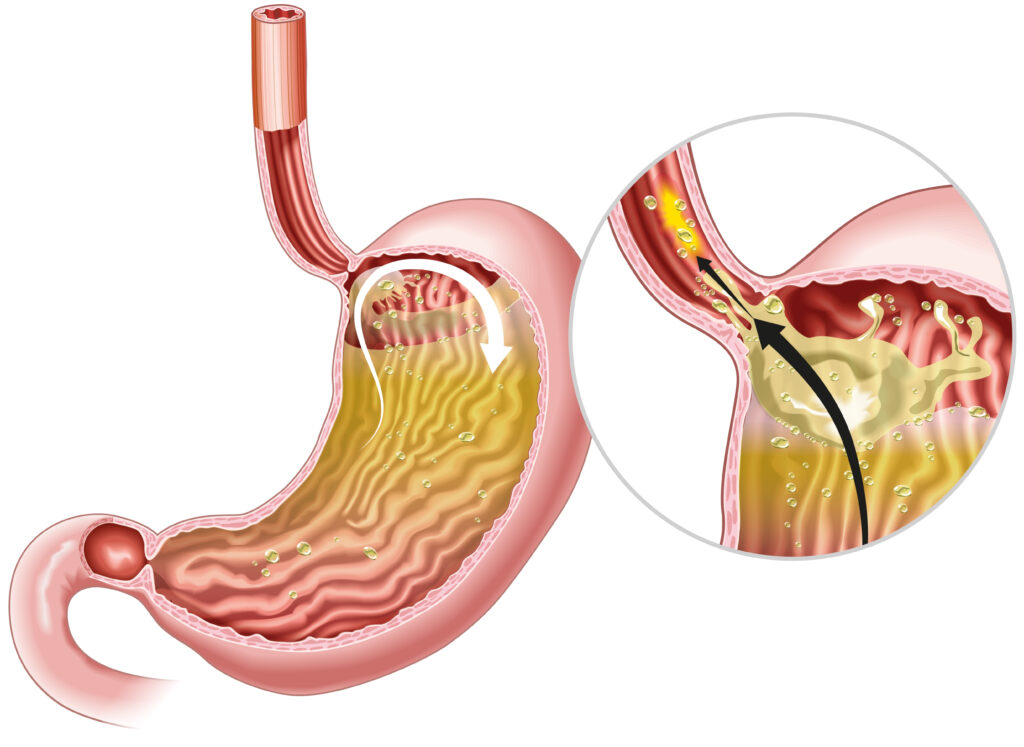
Gastroesophageal reflux disease (GERD) occurs when stomach contents move backward into the oesophagus. This backflow can irritate the lining of the oesophagus and create symptoms such as:
- Heartburn
- Acid taste in the mouth
- Chest discomfort
- Chronic cough
- Hoarseness
- Sore throat
- Difficulty swallowing
- Burping and bloating
- Night-time reflux
Normally, a muscular valve called the lower oesophageal sphincter (LES) helps prevent stomach acid from moving upward. When this valve weakens or becomes mechanically compromised, reflux becomes more likely.
What Is a Hiatus Hernia?
A hiatus hernia occurs when part of the stomach pushes upward through the oesophageal hiatus — the opening in the diaphragm through which the oesophagus passes.
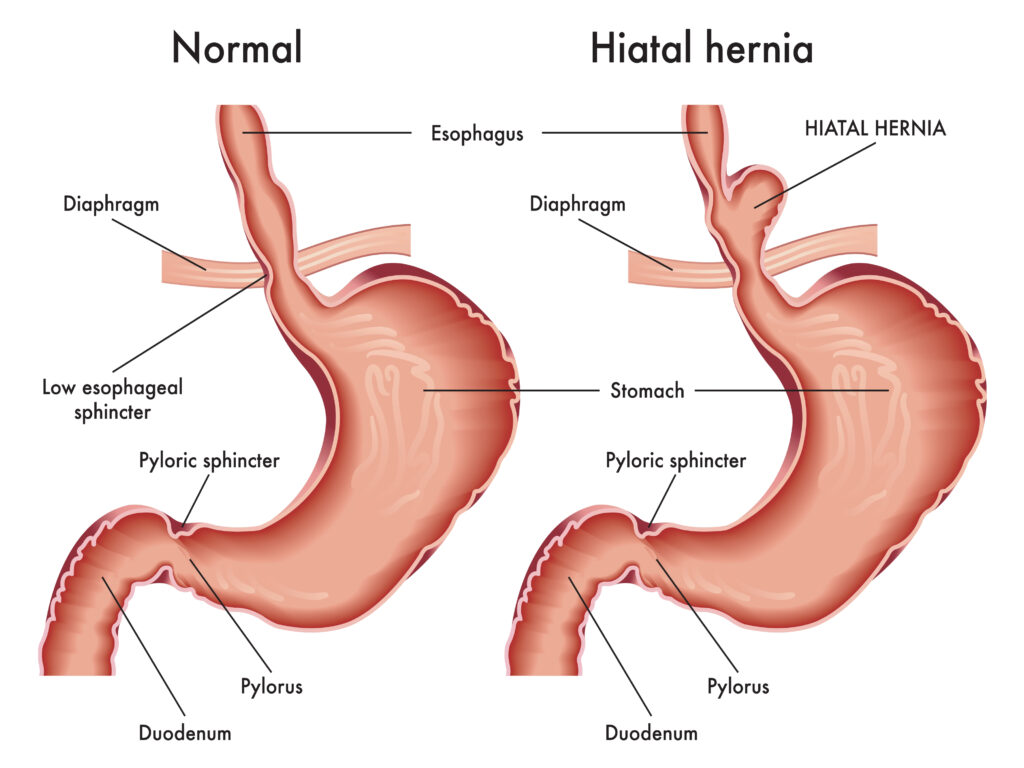
The diaphragm plays a major role in supporting the junction between the stomach and oesophagus. If tension, pressure, trauma, or weakness alters this relationship, the stomach may partially migrate upward.
Common contributing factors include:
- Chronic abdominal pressure
- Pregnancy
- Heavy lifting
- Obesity
- Surgery
- Poor diaphragmatic mechanics
- Trauma
- Chronic coughing
- Fascial restrictions
Many people with hiatus hernias also experience reflux symptoms because the normal pressure relationships around the LES become disrupted.
Jean-Pierre Barral’s Perspective on Digestive Dysfunction
Barral’s work differs from conventional treatment because it focuses heavily on mobility and tension relationships within the body.
According to Barral’s model, organs should possess subtle but important movement patterns – “An organ in good health must be able to move”. Restrictions within fascia, ligaments, nerves, vessels, or surrounding tissues may interfere with normal organ motion and create dysfunction elsewhere in the body.
In reflux and hiatus hernia patients, Barral practitioners often evaluate:
- The mobility of the stomach
- Tension around the diaphragm
- Restrictions in the oesophageal hiatus
- Vagus nerve irritation
- Adhesions from surgery or inflammation
- Liver and stomach ligament tension
- Thoracic spine mechanics
- Rib cage mobility
- Vascular congestion
- Fascial restrictions
- Pressure balance between the abdominal, thoracic, and cranial cavities
Rather than treating only stomach acid production, the goal becomes restoring balanced movement and reducing abnormal tension throughout the region.
The Role of the Diaphragm
One of the central ideas in Barral’s approach is the importance of the diaphragm. The diaphragm is not just a breathing muscle. It is also deeply connected to:
- The stomach
- Oesophagus
- Liver
- Pericardium
- Thoracic spine
- Rib cage
- Vagus nerve
- Major blood vessels
Every breath changes pressure relationships between the chest and abdomen. If the diaphragm becomes restricted, asymmetrical, or excessively tight, the mechanics around the hiatus can become altered.
Practitioners trained in visceral manipulation often assess:
- Diaphragm tension
- Asymmetry in breathing motion
- Fascial restrictions around the hiatus
- Rib restrictions
- Tension patterns involving the liver and stomach
Barral developed specific techniques involving the oesophageal hiatus and the lesser curvature of the stomach as part of his advanced work.
Visceral Manipulation and Reflux
How Visceral Manipulation Works
Visceral manipulation uses gentle, precise manual forces intended to improve the mobility and motility of organs and their connective tissues.
For reflux and hiatus hernias, treatment may involve:
- Mobilising the stomach downward
- Releasing tension around the hiatus
- Releasing tension in the lesser omentum between the stomach and liver
- Improving diaphragm mobility
- Addressing adhesions around the oesophagus
- Restoring movement between the stomach and liver
- Improving rib and thoracic mobility
- Addressing pelvic floor tension and its effect on intra-abdominal pressure
The treatment is usually very gentle and highly specific.
Barral’s treatment philosophy emphasises listening to tissue tension and ‘moving into ease’ rather than forcing structures aggressively.
Potential Benefits
Patients often report improvements in:
- Heartburn frequency
- Bloating
- Chest pressure
- Swallowing
- Digestive comfort
- Breathing
- Posture
- Upper abdominal tension
Improved diaphragm mechanics helps reduce pressure on the lower oesophageal sphincter and improves functional support around the hiatus.
However, patients should understand that scientific evidence remains limited and mixed. While many patients and clinicians report positive outcomes, large-scale high-quality studies are still lacking. It is true that more rigorous research is needed to fully validate these approaches. However, given the large and encouraging body of clinical anecdotal evidence, the lack of large-scale research can be best understood in the context of:
- A lack of available funding
- The difficulty in designing large-scale trials due to treatment methods being highly individualised and patient-specific
Neural Manipulation and the Vagus Nerve
One of Barral’s major contributions beyond visceral manipulation was developing neural manipulation.
Why the Vagus Nerve Matters
The vagus nerve is one of the most important nerves involved in digestion. It helps regulate:
- Stomach emptying
- Acid production
- Oesophageal function
- Diaphragm coordination
- Autonomic nervous system balance
The vagus nerve travels through the neck and chest before passing through the diaphragm near the oesophagus.
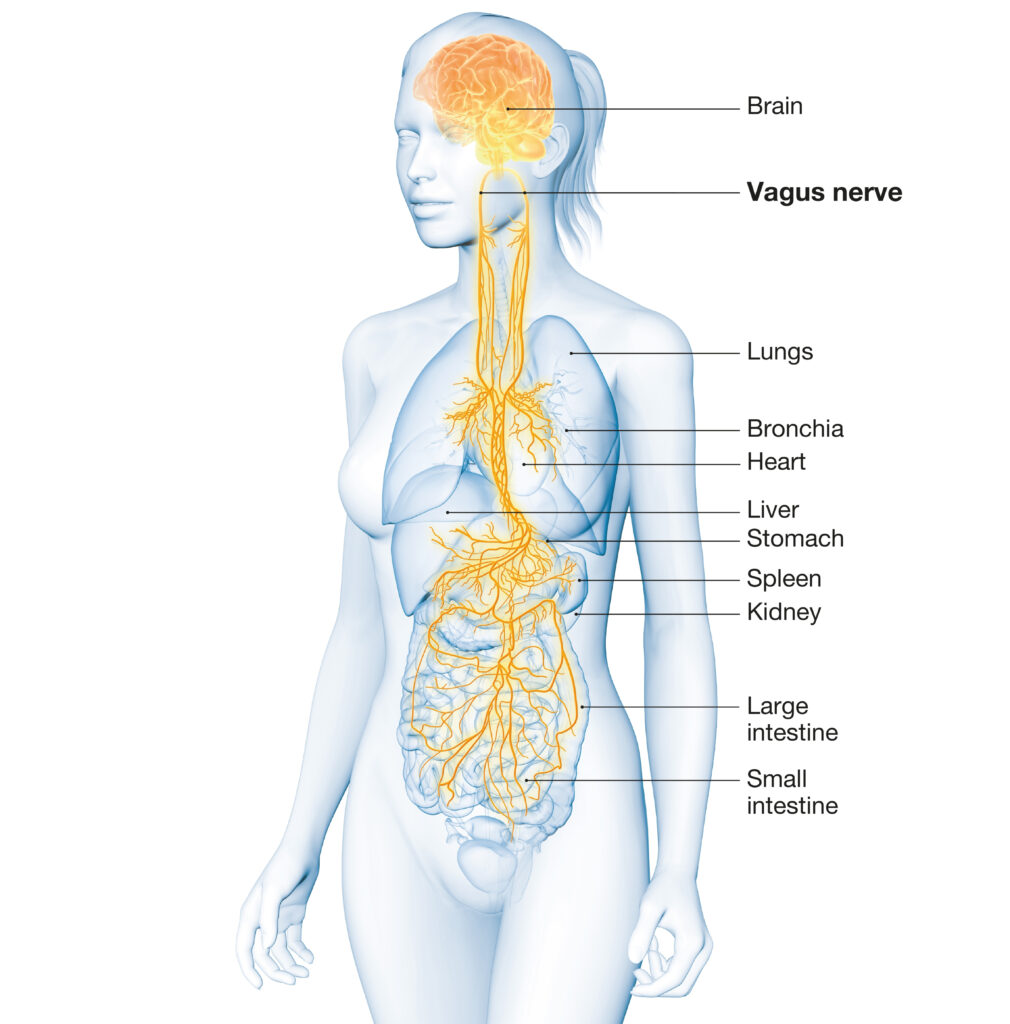
Restrictions around the neck, thoracic outlet, mediastinum, diaphragm, or stomach may theoretically irritate or tense the vagus nerve.
Barral’s advanced work specifically includes treatment approaches for the vagus nerve in digestive dysfunction.
Neural Tension and Reflux Symptoms
Some reflux sufferers also experience:
- Anxiety
- Chest tightness
- Palpitations
- Globus sensation
- Breathing difficulty
- Neck tension
Practitioners trained in neural manipulation may assess whether nerve irritation contributes to these symptoms.
Treatment may involve:
- Mobilising fascial tunnels around nerves
- Reducing tension along nerve pathways
- Improving mobility between nerves and surrounding tissues
- Addressing cervical and thoracic restrictions
The goal is to gently reduce mechanical irritation and improve nervous system regulation.
Vascular Manipulation and Digestive Health
Barral later expanded his work into vascular manipulation, focusing on blood vessel mobility and circulation.
Why Circulation Matters
Blood vessels require mobility and freedom of movement. Restrictions around arteries or veins may potentially influence tissue nutrition, inflammation, and organ function.
In reflux and hiatus hernia patients, vascular approaches may involve:
- Improving circulation around the stomach
- Reducing congestion in the diaphragm
- Mobilising fascial restrictions around major vessels
- Enhancing tissue hydration and mobility
Barral’s teaching describes the relationship between vascular tension, organ motion, and autonomic regulation.
Although evidence for vascular manipulation remains largely clinical rather than strongly research-based, many practitioners integrate it into comprehensive digestive treatment plans.
The Fascial Connection
A major theme in Barral’s work is fascia.
Fascia is connective tissue that surrounds organs, muscles, vessels, and nerves; fascia forms a connective tissue ‘web’ that runs throughout the body. Restrictions in one area may create tension patterns elsewhere.
For example:
- Liver tension may affect the diaphragm and phrenic nerve
- Diaphragm restriction may influence the stomach and oesophagus
- Oesophageal tension and restriction may result in thoracic vertebral stiffness
- Abdominal scars may create traction on digestive tissues
This whole-body approach helps explain why some patients experience reflux alongside:
- Neck pain
- Mid-back pain
- Shoulder tension
- Breathing issues
- Anxiety
- Rib tightness
Barral practitioners always evaluate the body globally rather than focusing only on the stomach itself. Frequently, the main area of restriction is in a completely different location to where the patient is experiencing symptoms.
What Does Treatment Feel Like?
Many patients are surprised by how gentle Barral-based treatment usually is.
Sessions commonly involve:
- Light manual pressure
- Sustained tissue holds
- Breathing coordination
- Gentle mobilisations
- Listening techniques
Treatment is typically directed at precise areas rather than using forceful manipulation.
A practitioner may work on:
- The upper abdomen
- Lower ribs
- Diaphragm
- Thoracic spine
- Neck
- Liver attachments
- Oesophageal region
Patients often describe sensations of:
- Soft tissue release
- Reduced pressure
- Easier breathing
- Improved posture
- Relaxation
- Reduced abdominal tension
What Does the Research Say?
Research on visceral manipulation remains limited compared with mainstream medical interventions.
Some smaller studies and clinical reports suggest possible benefits for digestive dysfunction, pain, mobility, and autonomic regulation. Barral’s institutes and training organisations describe positive clinical outcomes across multiple conditions.
However, critics point out that:
- More high-quality trials are needed
- Mechanisms are not fully proven
- Some claims exceed current evidence
- Results can vary widely between patients
Scientific sceptics have argued that evidence supporting visceral manipulation is insufficient to confirm broad therapeutic claims.
The most balanced conclusion is probably this:
- Some patients appear to benefit significantly
- Clinical experience is substantial
- Evidence is still emerging and catching up to clinical innovation and technical advancement
- Treatment should complement, not replace, medical care
Patient Experiences and Community Reports
Online patient communities discussing hiatus hernias and reflux frequently mention manual therapy approaches.
Some individuals report temporary or substantial improvements in:
- Reflux symptoms
- Chest pressure
- Bloating
- Breathing
- Diaphragm tension
Others report minimal change or symptom aggravation.
One consistent theme is that reflux and hiatus hernias are often multifactorial. Manual therapy may help certain mechanical or tension-related contributors, but it is rarely a complete standalone solution.
A Comprehensive Approach Often Works Best
Barral-based practitioners usually encourage a broader treatment strategy that may include:
Dietary Support
Reducing foods that aggravate reflux such as:
- Alcohol
- Highly processed foods
- Excess caffeine
- Large late-night meals
- Spicy foods
Breathing Retraining
Improving diaphragmatic breathing may reduce excessive upper chest tension and support better pressure regulation.
Postural Improvement
Forward head posture and thoracic rigidity may alter diaphragm mechanics and abdominal pressure.
Stress Regulation
The autonomic nervous system strongly influences digestion.
Stress often increases:
- Muscle tension
- Shallow breathing
- Vagal irritation
- Digestive sensitivity
Mobility and Exercise
Gentle movement and walking may improve digestive motility and reduce abdominal pressure.
Who May Benefit Most?
Patients who may respond particularly well to visceral, neural, and vascular manipulation include those with:
- Functional reflux symptoms
- Mild to moderate hiatus hernias
- Persistent symptoms despite medication
- Rib and diaphragm tightness
- Post-surgical adhesions
- Breathing dysfunction
- Thoracic restriction
- Stress-related digestive tension
However, people with severe reflux, bleeding, ulcers, Barrett’s oesophagus, significant weight loss, or severe hernias should always receive appropriate medical evaluation first.
Final Thoughts
Jean-Pierre Barral’s work offers a fascinating and highly integrated perspective on gastric reflux and hiatus hernias.
Rather than viewing reflux solely as an acid problem, Barral’s model considers the relationships between the stomach, diaphragm, fascia, nerves, blood vessels, posture, and the autonomic nervous system.
Through visceral, neural, and vascular manipulation, practitioners aim to restore mobility, reduce tension, improve circulation, and support the body’s natural mechanical balance.
While scientific evidence is still developing, many patients report meaningful improvements in digestive comfort, breathing, posture, and reflux symptoms when these techniques are integrated into a comprehensive treatment plan.