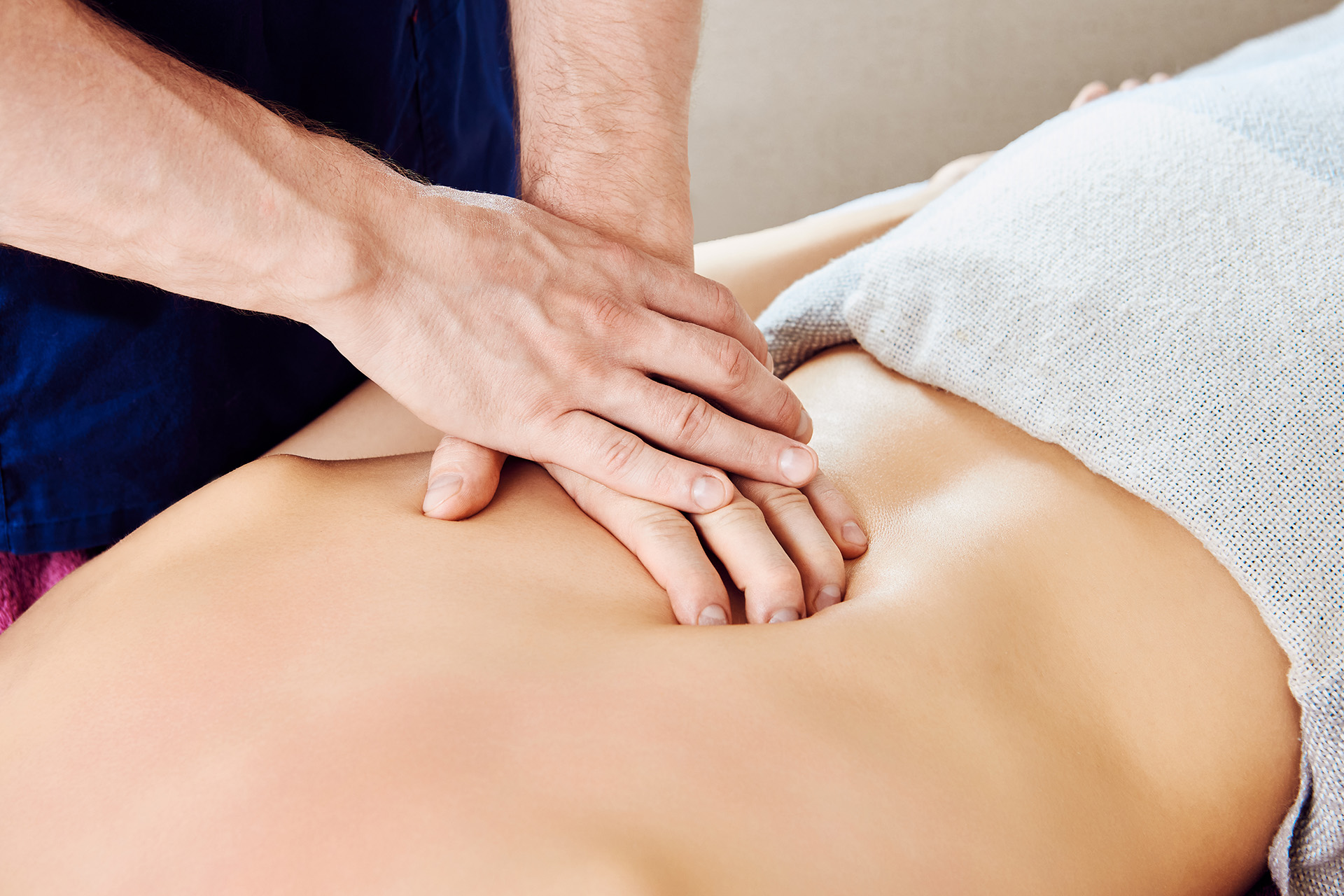
If you’ve ever tried remedial massage, physiotherapy, chiropractic care or osteopathy for pain relief and felt better—only for the pain to return days or weeks later—you’re not alone. Many patients cycle through various muscular treatments that help temporarily but never fully resolve the issue. This can be frustrating, confusing, and exhausting.
This is where neural manipulation, developed by osteopaths Jean-Pierre Barral and Alain Croibier, offers a different way of looking at pain and recovery. Instead of focusing solely on tight muscles, this approach examines how the nervous system itself may be contributing to symptoms.
This article is written specifically for patients. It explains, in clear and simple terms, what neural manipulation is, how it differs from standard muscular manipulation, and why it may offer longer-lasting relief for certain types of pain.
Who Are Jean-Pierre Barral and Alain Croibier?

Jean-Pierre Barral is a French osteopath and former physical therapist best known for developing visceral manipulation and later neural manipulation. His work is based on the idea that all tissues in the body—muscles, organs, nerves, and connective tissue—must move freely in relation to one another for optimal health; and that the body will direct the therapist to the tissues of greatest restriction through an innovative clinical assessment technique called “Listening.”
Through decades of clinical practice, Barral observed that many patients with persistent pain had subtle restrictions in tissues that were not being addressed by conventional treatments. These observations led him to explore how nerves move, adapt, and respond to tension inside the body.
Alain Croibier, also an osteopath, worked closely with Jean-Pierre Barral and played a major role in refining and teaching neural manipulation techniques. Together, they trained thousands of practitioners worldwide in manual neural manipulation technique and helped bring attention to the nervous system as a key factor in chronic pain, post-surgical symptoms, and unexplained discomfort.
Today, their work is used by osteopaths, physiotherapists, and advanced manual soft tissue therapists who specialise in treating patients with complex or long-standing issues.

What Is Neural Manipulation?
Neural manipulation is a gentle, hands-on therapy that focuses on the health and mobility of the nervous system. Your nerves connect your brain and spinal cord to every muscle, joint, organ, and area of skin. For these signals to travel clearly, nerves must be able to slide, glide, stretch, and adapt as your body moves.
Unlike muscles, nerves are highly sensitive tissues. They do not tolerate compression or excessive tension well. When nerve mobility is reduced—due to injury, inflammation, scar tissue, repetitive strain, or prolonged stress—the nervous system can become irritated, and a reflexive, protective tension in the surrounding muscle tissue results.
This irritation may show up as:
- Pain that doesn’t fully resolve with rest or massage
- Tingling or numbness in the arms, legs, hands, or feet
- Burning, electric, or shooting sensations
- Weakness or heaviness in a limb
- Reduced coordination or a sense that movement feels “off”
Neural manipulation aims to restore natural nerve movement, re-hydrate nerve tissue, and reduce unnecessary tension within the nervous system. The techniques are slow, precise, and carefully adapted to each patient’s tolerance and sensitivity.
What Does a Neural Manipulation Session Feel Like?
For patients, neural manipulation often feels very different from muscular massage. The practitioner uses light contact and minimal force, following subtle body movements rather than pushing or stretching tissues aggressively.
Many patients report sensations such as warmth, gentle release, deep relaxation, or a feeling of space in the body. Some notice changes immediately, while others experience gradual improvement over several sessions as the nervous system recalibrates and adapts.
Because the approach is gentle, post-treatment soreness is uncommon compared to deep muscular work, and neural manipulation is well-suited for patients who are sensitive to and adversely affected by aggressively applied remedial massage and manual muscular techniques.
What Is Standard Muscular Manipulation?
Standard muscular manipulation includes therapies such as remedial massage therapy, deep tissue massage, myofascial release, trigger point therapy, cupping, dry-needling, and muscle energy technique. These approaches focus primarily on muscles and connective tissue.
The goals of muscular manipulation typically include:
- Reducing muscle tightness and knots
- Improving blood flow and oxygen delivery
- Increasing flexibility and range of motion
- Relieving pain caused by overuse or strain
For many people, muscular manipulation works extremely well. It is especially helpful for stress-related tension, poor posture, sports injuries, and acute muscle pain. It is also widely accessible and familiar to most patients.
However, when pain repeatedly returns, it may be a sign that muscles are reacting to a deeper issue rather than being the original cause.
A Side-by-Side Comparison for Patients
The table below summarises the key differences between neural manipulation and muscular manipulation in a patient-friendly way.
| Aspect | Neural Manipulation | Muscular Manipulation |
|---|---|---|
| Primary focus | Nerves and nervous system mobility | Muscles and fascia |
| Type of pressure | Very gentle, precise contact | Moderate to deep pressure |
| Main goal | Restore nerve glide and reduce neural tension | Reduce muscle tightness and soreness |
| Best suited for | Chronic pain, nerve symptoms, post-surgical issues | Muscle tension, stress, and acute strains |
| Patient sensation | Subtle, calming, deeply relaxing | Can feel intense or uncomfortable |
| Speed of results | Often gradual but longer-lasting | Often immediate but sometimes short-term |
| Sensitivity tolerance | Well-suited for sensitive patients | Not always tolerated by sensitive patients |
| Role of muscles | Muscles respond after nerve function improves | Muscles are treated as the primary issue |
How Neural Manipulation Can Help Patients
Treating the Cause, Not Just the Symptom
Pain is often felt in muscles, but the source of the problem may lie along a nerve pathway elsewhere in the body. For example, shoulder pain may be influenced by nerve tension in the neck or chest. Neural manipulation looks beyond the pain location to identify these hidden contributors. As one of my neural teachers would often remark, “The true causal culprit is rarely in the location of the symptom. It’s a bit like children in the playground; the victims scream loudest, but the bullies are often silent.”
Support for Chronic and Recurrent Pain
Many patients turn to neural manipulation after years of recurring pain. It is commonly used for:
- Chronic neck or lower back pain
- Sciatic or radiating leg pain
- Arm and hand symptoms such as tingling or numbness
- Headaches linked to nerve tension
- Lingering pain after surgery or injury
By addressing nerve mobility, neural manipulation may help reduce the cycle of flare-ups.
A Gentler Option for Sensitive Nervous Systems
Some patients feel worse after deep tissue massage or aggressive stretching. This can be a sign of a sensitised nervous system. Neural manipulation respects these sensitivities and works within the body’s comfort zone, making it a safer option for pain-reactive individuals.
Improved Movement and Body Confidence
As nerve function normalises, patients often report smoother movement, less stiffness, and greater confidence in their body. Everyday activities such as walking, reaching, or exercising feel easier and more natural. Patients commonly report muscles “waking up” that haven’t fired properly for some time; as movement patterns change and adapt, the tension held in muscles used to “guarding” and “protecting” begins to dissipate.
Why Muscular Manipulation Still Matters
Muscular manipulation remains an essential part of many treatment plans. Its benefits include:
- Fast relief from tight or overworked muscles
- Improved relaxation and stress reduction
- Better circulation and tissue hydration
For many patients, muscular work provides important short-term relief and prepares the body for deeper corrective work.
Using Both Approaches Together
Jean-Pierre Barral and Alain Croibier emphasised that neural manipulation is not meant to replace muscular manipulation. Instead, the two approaches work best together.
In practice, muscular manipulation may help calm the body and reduce guarding, while neural manipulation addresses the nervous system patterns that contribute to pain. According to Jean-Pierre Barral, muscular treatment frees the environment around the restricted nerve, allowing for much longer-lasting and complete resolution when neural manipulation is applied in conjunction. For patients, this integrated approach often leads to profound and lasting results.
Is Neural Manipulation Right for You?
You may want to explore neural manipulation if:
- Your pain keeps returning despite massage or exercise
- You experience nerve-related symptoms such as tingling or burning
- You have ongoing symptoms after surgery or injury
- You are sensitive to deep-pressure treatments
A qualified practitioner will evaluate your symptoms and recommend the most appropriate approach—or combination of approaches—for your situation.
Below is an example of a neural manipulation treatment performed by Chris Gauntlett in clinic:
Final Thoughts
For patients seeking lasting relief, understanding the difference between neural and muscular manipulation can be empowering. Neural manipulation, as developed by Jean-Pierre Barral and Alain Croibier, offers a nervous-system-focused approach that may succeed where muscle-based treatments alone fall short.
Muscular manipulation remains effective, valuable, and widely used. When combined thoughtfully with neural techniques, it supports a more complete and patient-centered approach to care—one that treats not just where it hurts, but why it hurts.