Introduction: A Different Way of Understanding Joint Dysfunction
When someone experiences persistent shoulder pain, restricted hip movement, knee discomfort or difficulty using their hands, treatment often begins at the site of the symptoms. Conventional manual therapy often focuses on muscles, tendons, ligaments, and other soft tissues surrounding the affected joint. While these structures are undeniably important, they represent only part of a much more complex anatomical and functional system.
French osteopath and physical therapist Jean-Pierre Barral offers a broader perspective through his New Manual Articular Approach (NMAA), developed in collaboration with fellow osteopath Alain Croibier. This distinctive approach considers the joint as an integrated structure involving bones, cartilage, joint capsules, ligaments, muscles, nerves, arteries and surrounding connective tissues. It also explores how joints relate to other parts of the body, including the viscera and nervous system.
Rather than treating a painful joint as an isolated mechanical problem, Barral’s approach seeks to understand the different anatomical and physiological influences that may contribute to its dysfunction.
Manual Articular Therapy (MAT) uses precise, gentle manual techniques to assess and address restrictions within and around the body’s joints. Its application to the upper and lower extremities provides practitioners with an expanded framework for understanding persistent musculoskeletal complaints, particularly when symptoms are complex, recurrent or have not responded adequately to conventional treatment.
An important feature of this approach is its compatibility with Barral’s other therapeutic disciplines: Visceral Manipulation and Neural Manipulation. Together, these methods offer an integrated perspective on the relationships between the musculoskeletal, nervous and visceral systems.
Understanding Jean-Pierre Barral’s Manual Articular Approach
A joint is considerably more than the meeting point between two bones. It is a sophisticated anatomical environment containing multiple structures that must coordinate to produce comfortable, efficient movement.
These include:
- Articular surfaces and cartilage.
- Joint capsules and synovial membranes.
- Ligaments and supporting connective tissues.
- Tendons and associated muscles.
- Peripheral nerves and their connective tissue interfaces.
- Arteries and surrounding vascular structures.
- Bursae, fat pads and other supporting tissues.
Each component contributes to joint stability, movement, proprioception and the distribution of mechanical forces.
Barral’s Manual Articular Approach considers these structures individually and in relation to one another. A restriction affecting one component may influence the movement and function of neighbouring structures, potentially contributing to altered biomechanics and compensatory movement patterns.
For example, restricted movement around a shoulder may involve more than the rotator cuff muscles. The joint capsule, surrounding nerves, vascular structures, ligamentous attachments and associated connective tissues may also warrant consideration. The practitioner therefore looks beyond the obvious location of discomfort to investigate which structures may be contributing to the patient’s symptoms.
One defining characteristic of the method is its emphasis on precision rather than force. Assessment involves identifying areas of altered tissue mobility and evaluating how different structures interact during movement. Treatment uses gentle manual engagement and carefully directed mobilising techniques, often incorporating the patient’s active movement. The objective is to support more comfortable movement and improve the functional relationships between the structures contributing to joint mechanics.
Benefits of Manual Articular Therapy for the Lower Extremities
The lower extremities provide the foundation for standing, walking, running and maintaining balance. Their joints must withstand substantial mechanical forces while allowing a remarkable degree of mobility and adaptability.
The hip, knee, ankle and foot operate as an interconnected kinetic chain. Dysfunction in one region can influence movement elsewhere, making a comprehensive assessment particularly valuable.
The Hip: Restoring Mobility and Movement Relationships
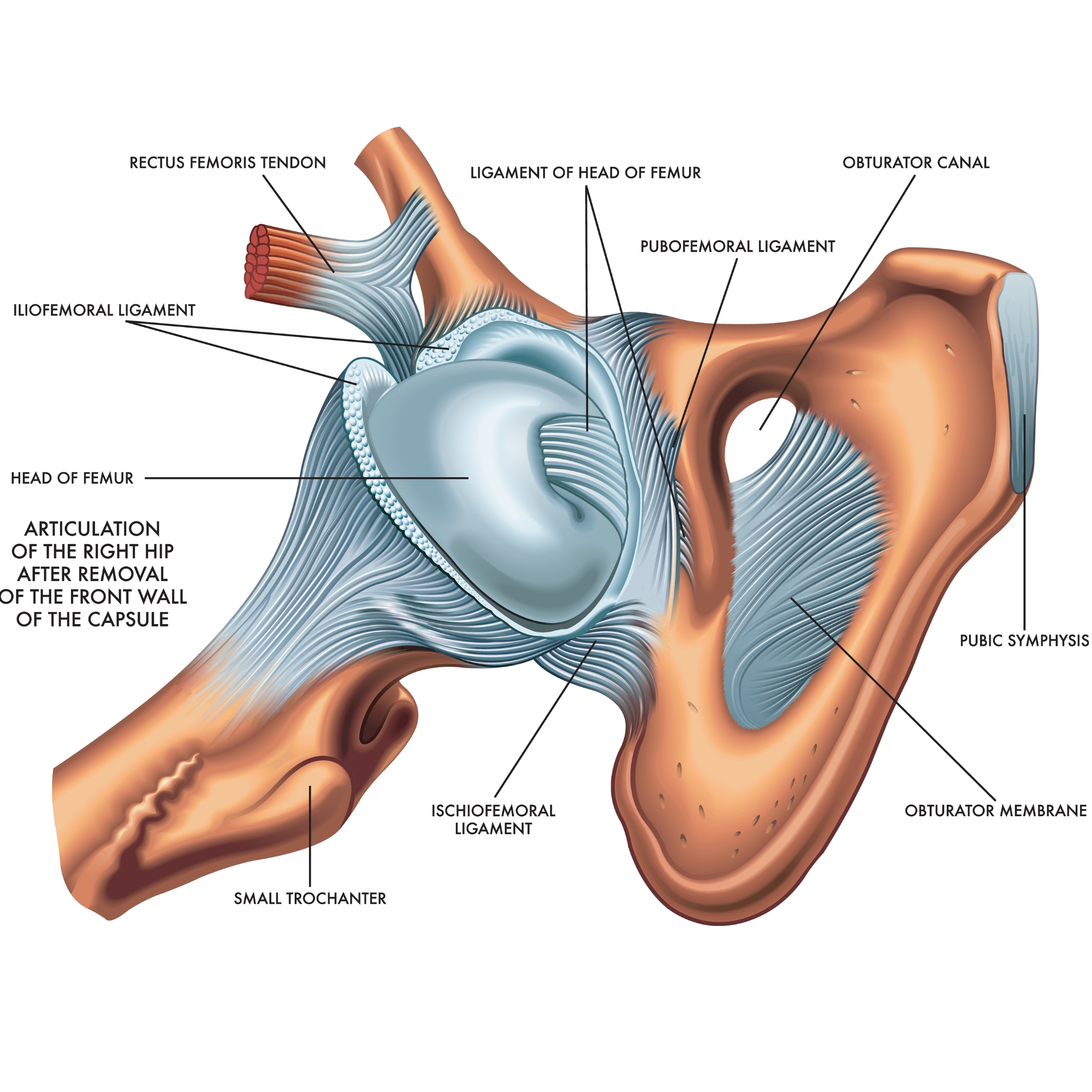
The hip is a large, weight-bearing joint that plays a central role in posture, pelvic stability and locomotion.
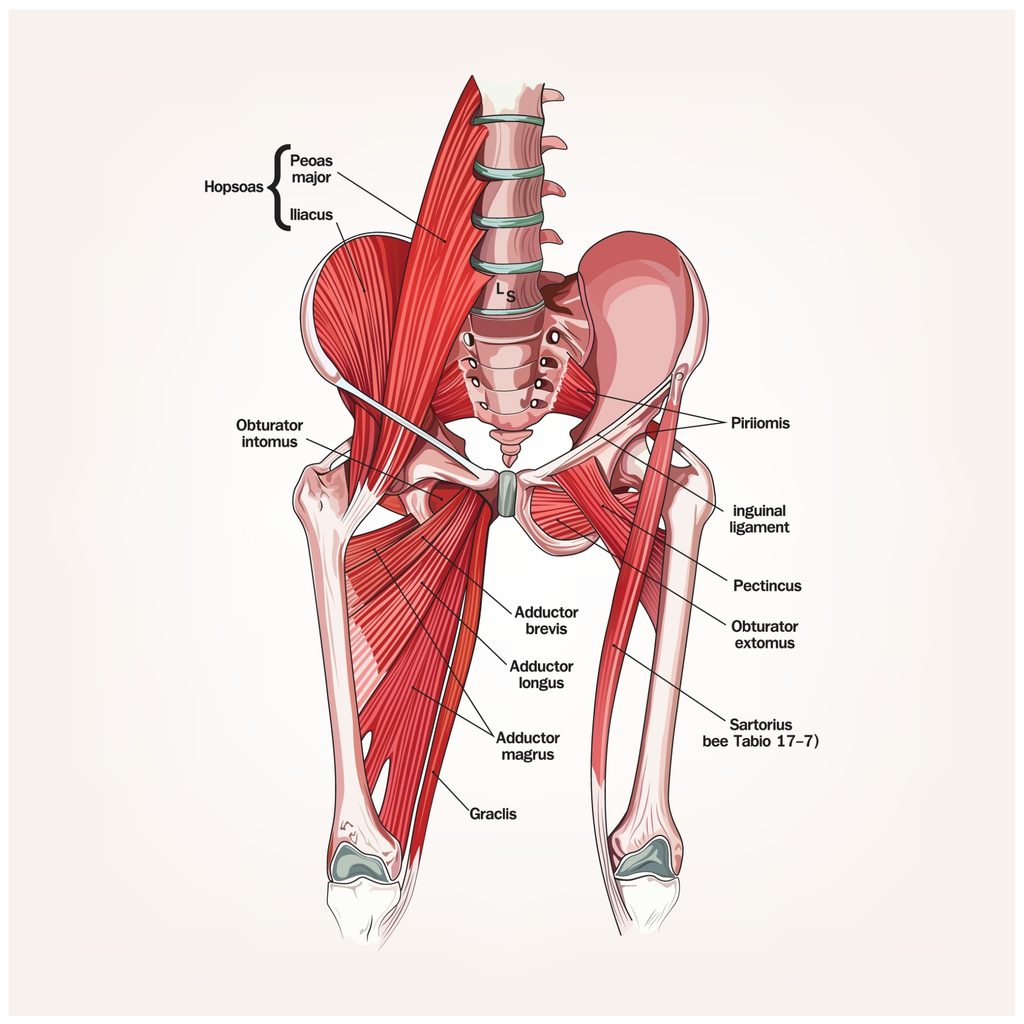
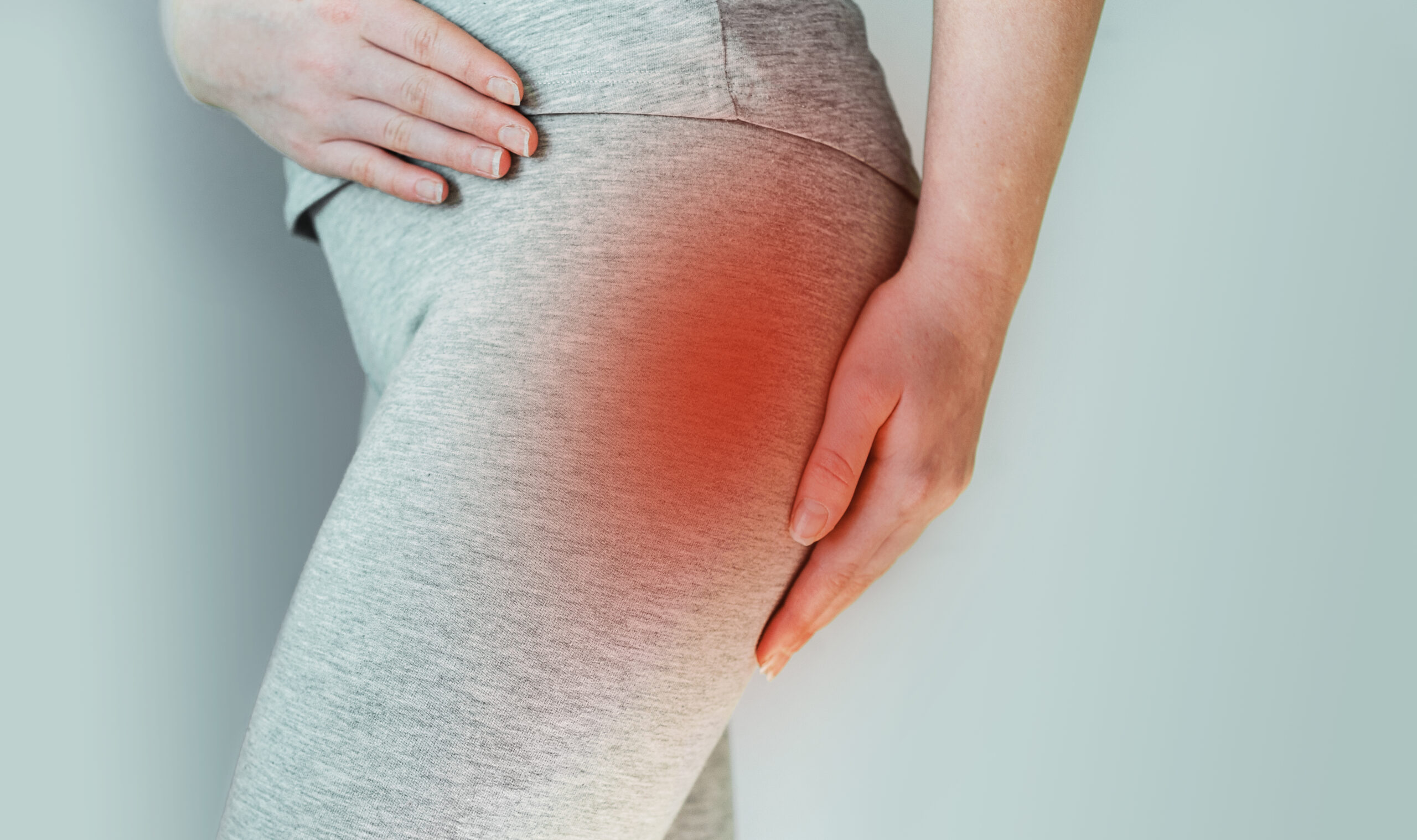
Hip discomfort and restricted movement may involve several structures, including the joint capsule, ligaments, surrounding muscles, articular surfaces and peripheral nerves.
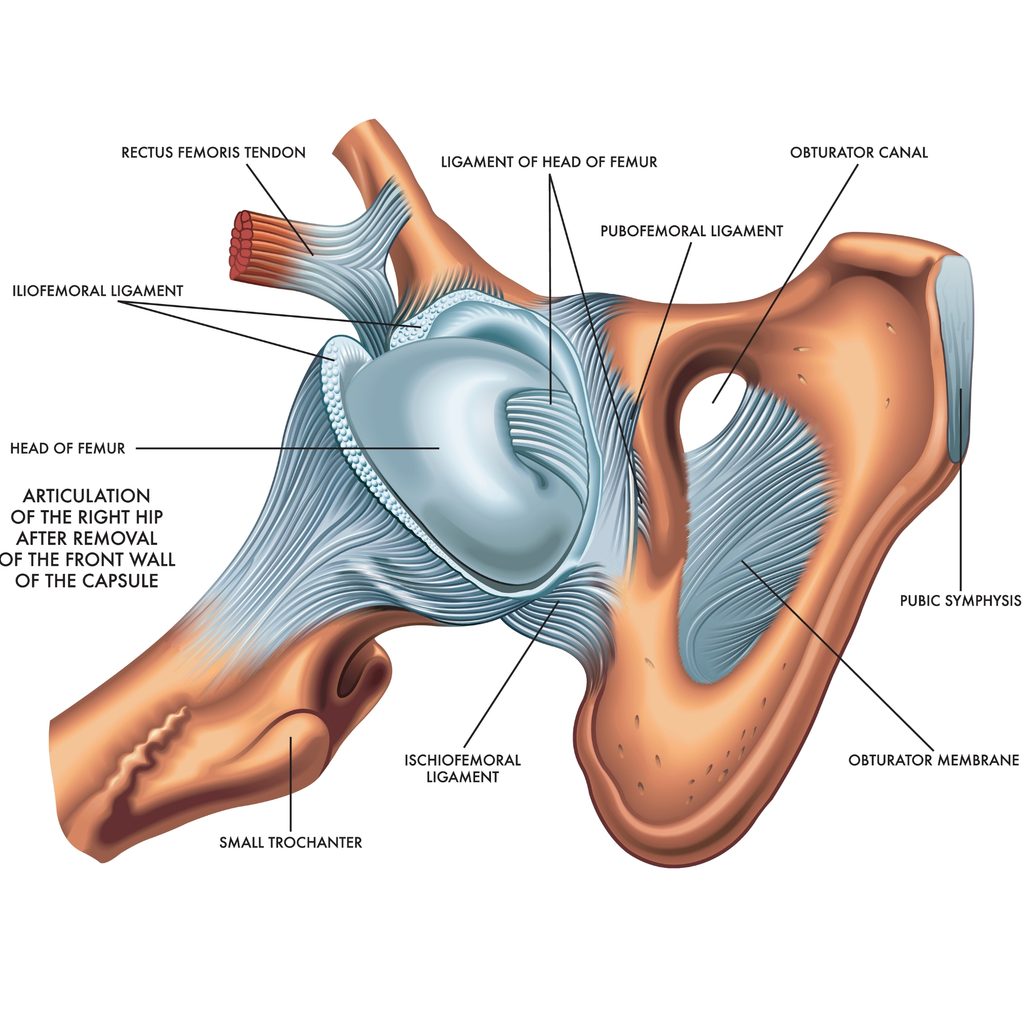
Barral’s approach considers these structures together rather than focusing exclusively on muscular tension.
Manual Articular Therapy may be incorporated into the management of presentations involving:
- Restricted hip mobility.
- Discomfort during walking or standing.
- Reduced hip rotation.
- Movement restrictions following injury.
- Persistent hip stiffness.
- Compensatory movement patterns involving the pelvis and lower back.
The practitioner assesses hip mobility and its surrounding structures, considering how restrictions may influence movement of the pelvis and lower extremity. Importantly, the approach also encourages consideration of anatomical relationships beyond the hip itself, including the lumbar region, pelvis, nervous system and abdominal and pelvic viscera.
The Knee: Looking Beyond the Meniscus and Ligaments
The knee is a particularly complex joint because it must combine stability with mobility.
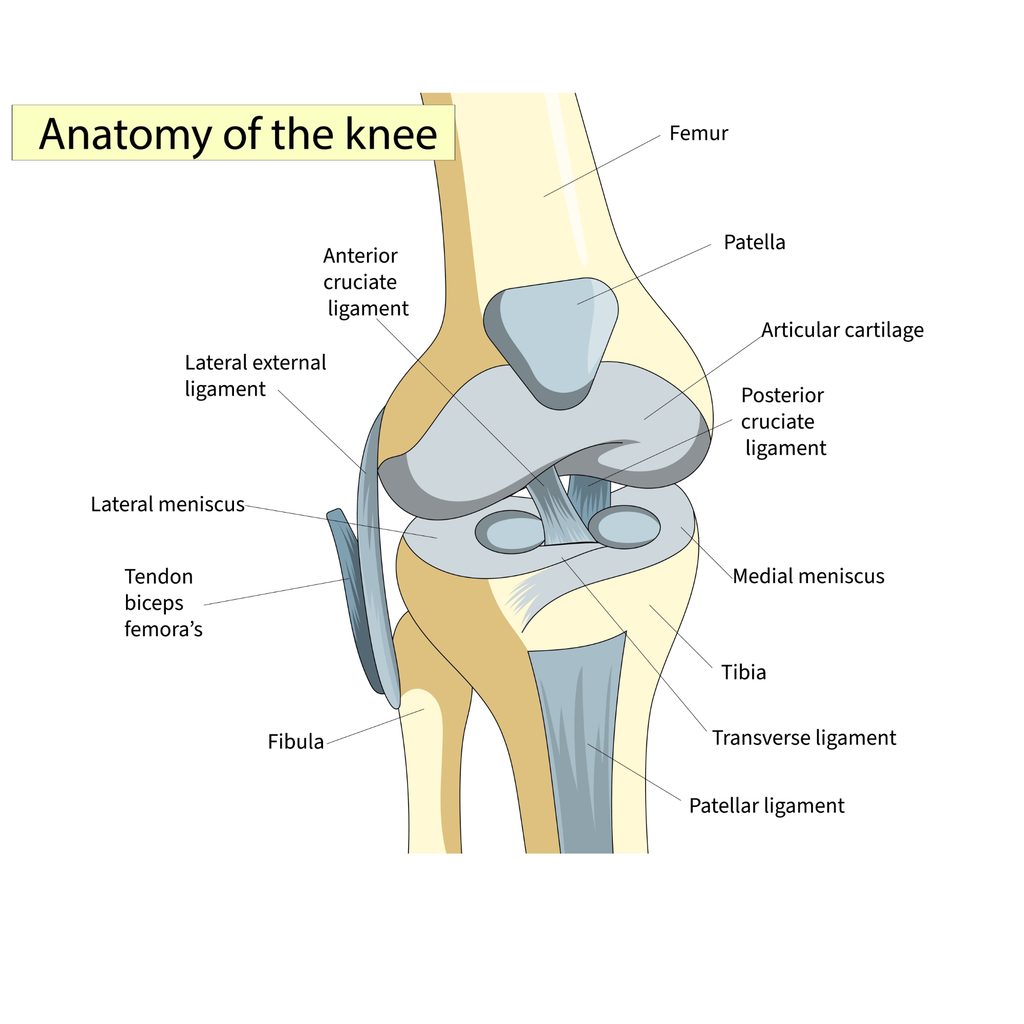
Its function depends on the coordinated interaction of the femur, tibia, patella, menisci, ligaments, capsule, tendons, muscles and surrounding neurovascular structures.
Knee pain is often treated with strengthening, stretching, soft-tissue mobilisation, and exercise-based rehabilitation. These interventions can be valuable, but some presentations may benefit from a broader examination of the joint’s anatomical relationships.
Barral’s Manual Articular Approach considers the mobility and function of the structures that contribute to knee mechanics.
Potential applications include:
- Persistent knee stiffness.
- Reduced flexion or extension.
- Discomfort following sprains.
- Restrictions following surgery, once appropriate healing has occurred.
- Altered movement associated with degenerative joint conditions.
- Compensatory movement involving the hip, ankle and foot.
The method also places particular emphasis on the nervous system’s relationship with the knee, recognising the importance of neural structures in joint sensation, movement coordination and protective responses.
A more comprehensive assessment may help practitioners identify factors that would otherwise receive insufficient attention in a purely muscular approach.
The Ankle and Foot: Improving the Foundation of Movement
The ankle and foot contain numerous small joints, ligaments, tendons, nerves and vascular structures. Together, they provide stability, shock absorption and adaptability to changing surfaces.
Restrictions in these structures may contribute to altered walking patterns, reduced balance and compensatory loading throughout the lower extremity.
Manual Articular Therapy examines the relationships between the ankle, subtalar joint, midfoot and forefoot, considering how individual restrictions may affect overall foot mechanics.
Potential areas of application include:
- Restricted ankle mobility.
- Residual stiffness following ankle sprains.
- Foot and ankle movement restrictions.
- Altered weight-bearing patterns.
- Persistent discomfort associated with restricted joint movement.
- Compensatory loading involving the knee and hip.
By assessing the lower extremity as an interconnected system, the practitioner can consider whether a local ankle or foot problem is associated with restrictions elsewhere in the kinetic chain.
The overall intention is to support more efficient movement, improved functional mobility and better coordination throughout the lower limb.
Benefits of Manual Articular Therapy for the Upper Extremities
The upper extremities are designed for precision, dexterity and adaptability. Unlike the lower limbs, which primarily support weight-bearing and locomotion, the arms and hands must perform an enormous variety of activities requiring finely coordinated movement. The shoulder, elbow, wrist and hand function as an integrated system. Dysfunction in one region can influence the movement and loading of other regions.
Barral’s approach provides a comprehensive framework for assessing these relationships.
The Shoulder: Understanding a Complex Joint System
The shoulder is one of the most mobile regions of the human body. Its function depends on the coordinated movement of the glenohumeral joint, scapula, clavicle and surrounding soft tissues.
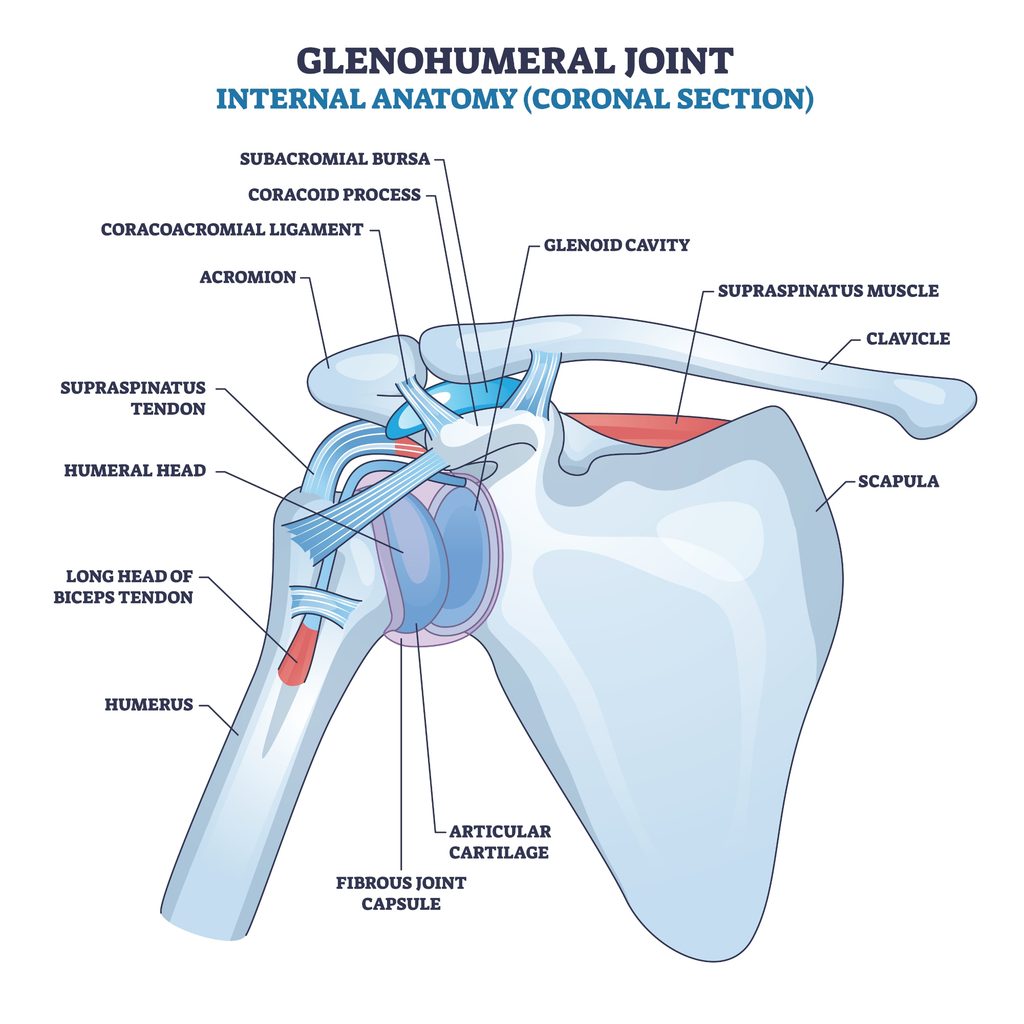
Restrictions involving the joint capsule, ligaments, rotator cuff structures, nerves or vascular tissues may contribute to shoulder discomfort and reduced mobility.
Manual Articular Therapy considers the shoulder as a complex anatomical system rather than simply a collection of muscles requiring release.
Potential applications include:
- Restricted shoulder elevation.
- Reduced internal or external rotation.
- Persistent shoulder stiffness.
- Rotator cuff-related movement difficulties.
- Restrictions following injury.
- Limited movement associated with capsular dysfunction.
An important distinction is considering relationships between the shoulder and other anatomical regions. For example, the cervical spine, thoracic outlet, rib cage and diaphragm may influence shoulder movement through their mechanical and neurological relationships.
Barral’s integrative approach also considers possible visceral relationships. This does not mean that shoulder pain automatically originates from an internal organ; rather, it encourages the practitioner to consider the wider anatomical context when clinically appropriate.
The Elbow: Integrating Joint and Neural Function
The elbow is essential for positioning the hand in space. Its function relies on the coordinated mechanics of the humeroulnar, humeroradial and proximal radioulnar articulations. Surrounding ligaments, tendons, muscles, nerves, and vascular structures contribute to its stability and mobility.
Conditions involving the elbow may include restricted movement, persistent discomfort, repetitive strain and symptoms associated with nerve irritation.
Barral’s approach examines the individual structures that contribute to elbow function and their relationships with surrounding tissues. Particular attention may be given to the peripheral nerves passing through or near the elbow, including the median, radial and ulnar nerves.
This broader perspective is relevant when elbow symptoms coexist with altered sensation, discomfort extending into the forearm or hand, or restrictions elsewhere along the upper limb.
The Wrist and Hand: Precision Through an Integrated Approach
The wrist and hand are among the most anatomically intricate structures in the body. Their function depends on numerous small joints, ligaments, tendons, nerves, vascular structures and connective tissue interfaces. Even relatively minor restrictions may influence grip strength, dexterity and fine motor control.
Manual Articular Therapy considers the relationships between the distal radioulnar joint, radiocarpal joint, intercarpal joints, carpometacarpal joints and the individual joints of the fingers.
Potential applications include:
- Restricted wrist movement.
- Persistent stiffness following injury.
- Reduced hand mobility.
- Movement restrictions associated with repetitive activities.
- Discomfort involving the thumb and fingers.
- Functional limitations following appropriate post-injury rehabilitation.
The practitioner also considers the contribution of the peripheral nerves, particularly where symptoms involve altered sensation or radiating discomfort.
By examining the wrist and hand in relation to the elbow, shoulder and cervical region, the approach provides a more complete understanding of upper-limb function.
How Manual Articular Therapy Differs from Conventional Soft-Tissue Therapy
One of the most important distinctions between Barral’s Manual Articular Approach and conventional soft-tissue therapy is the breadth of the assessment. Conventional soft-tissue techniques generally focus on structures such as muscles, tendons, fascia and superficial connective tissues. Depending on the practitioner’s training, treatment may involve massage, myofascial release, trigger-point techniques, stretching, friction techniques and other forms of manual mobilisation.
These approaches can be highly valuable, particularly when muscular tension, tissue sensitivity or restricted soft-tissue mobility contributes to a patient’s symptoms. However, Manual Articular Therapy extends the assessment beyond these structures. It considers the joint as an integrated environment in which several anatomical systems interact.
A Broader Anatomical Perspective
Rather than asking only which muscles are tight or which soft tissues are restricted, the practitioner considers:
- Is the joint capsule moving appropriately?
- Are ligamentous attachments contributing to restricted movement?
- Are the nerves moving freely in relation to surrounding tissues?
- Are vascular structures and their surrounding connective tissues relevant?
- Are the articular surfaces and associated structures contributing to altered mechanics?
- Are there restrictions elsewhere in the body that are influencing the affected joint?
This approach encourages a more detailed examination of the anatomical factors contributing to movement dysfunction.
Precision Rather Than Force
Another important distinction is the emphasis on gentle, specific techniques. Conventional soft-tissue therapy may involve sustained pressure, friction, stretching or deeper tissue mobilisation, depending on the treatment method. Barral’s Manual Articular Approach generally uses more precise and less forceful manual engagement.
The practitioner seeks to identify a particular restriction and apply an appropriate technique without unnecessarily stressing surrounding tissues. Active movement may also be incorporated to help assess and facilitate the joint’s functional mobility.
Treating Relationships Rather Than Isolated Structures
Perhaps the most significant difference is the emphasis on relationships.
A patient presenting with shoulder discomfort may have restrictions involving the cervical spine, thoracic region, peripheral nerves or associated visceral structures. Similarly, a patient with knee stiffness may demonstrate restrictions involving the hip, ankle or pelvic region.
Manual Articular Therapy encourages practitioners to consider these relationships when developing their treatment strategy. It does not replace conventional soft-tissue treatment. Instead, it offers an additional clinical framework that can be integrated with established rehabilitation and manual therapy methods.