Brain fog is one of the most frustrating symptoms people experience. Patients often describe it as feeling mentally “switched off,” disconnected, slow, forgetful, or unable to focus clearly. Some struggle to find words. Others feel exhausted after simple mental tasks. Many say they no longer feel like themselves.
Although brain fog is not a formal medical diagnosis, it is commonly associated with stress, chronic pain, digestive dysfunction, concussion, post-viral fatigue, hormonal imbalance, poor sleep, inflammation, and autonomic nervous system dysregulation.
Traditional treatment often focuses primarily on the brain itself. However, French osteopath and physiotherapist Jean-Pierre Barral developed a different perspective: the brain does not function in isolation. According to Barral’s work, restrictions within the organs, nerves, fascia, blood vessels, and connective tissues can influence the nervous system and contribute to symptoms far away from the original source — including cognitive fatigue and brain fog.
Barral’s approaches — Visceral Manipulation, Neural Manipulation, and Vascular Manipulation — aim to restore mobility, circulation, and communication throughout the body.
This article explores how these techniques may help people experiencing brain fog and why many practitioners view cognitive symptoms through a whole-body lens.
What Exactly Is Brain Fog?
Brain fog is not simply “being tired.” It often includes:
- Poor concentration
- Mental fatigue
- Memory lapses
- Difficulty processing information
- Slower thinking
- Word-finding difficulty
- Reduced motivation
- Feeling detached or “not fully awake”
- Sensitivity to stress or overstimulation
Many patients with brain fog also report:
- Neck tension
- Digestive symptoms
- Headaches
- Poor sleep
- Dizziness
- Anxiety
- Hormonal fluctuations
- Chronic inflammation
- Fatigue after eating
- Post-concussion symptoms
This overlap is important because Barral’s work focuses heavily on the relationship between body systems rather than isolated symptoms.
The Barral Philosophy: “Only the Tissues Know”
Barral’s approach is based on the idea that the body stores patterns of tension, compensation, inflammation, trauma, and restriction within the tissues themselves. He has famously stated:
“Only the tissues know.”
His therapies emphasise listening to the body through precise manual assessment to identify areas where normal movement and physiological motion have become restricted.
Barral developed several interconnected manual therapy systems:
- Visceral Manipulation
- Neural Manipulation
- Visceral Vascular Manipulation
- Manual Approach to the Brain
These systems are designed to work together because the organs, nerves, blood vessels, fascia, spine, and brain constantly communicate with one another.
For patients with brain fog, this broader systems-based approach may uncover often-overlooked contributors.
Visceral Manipulation and Brain Fog
What Is Visceral Manipulation?
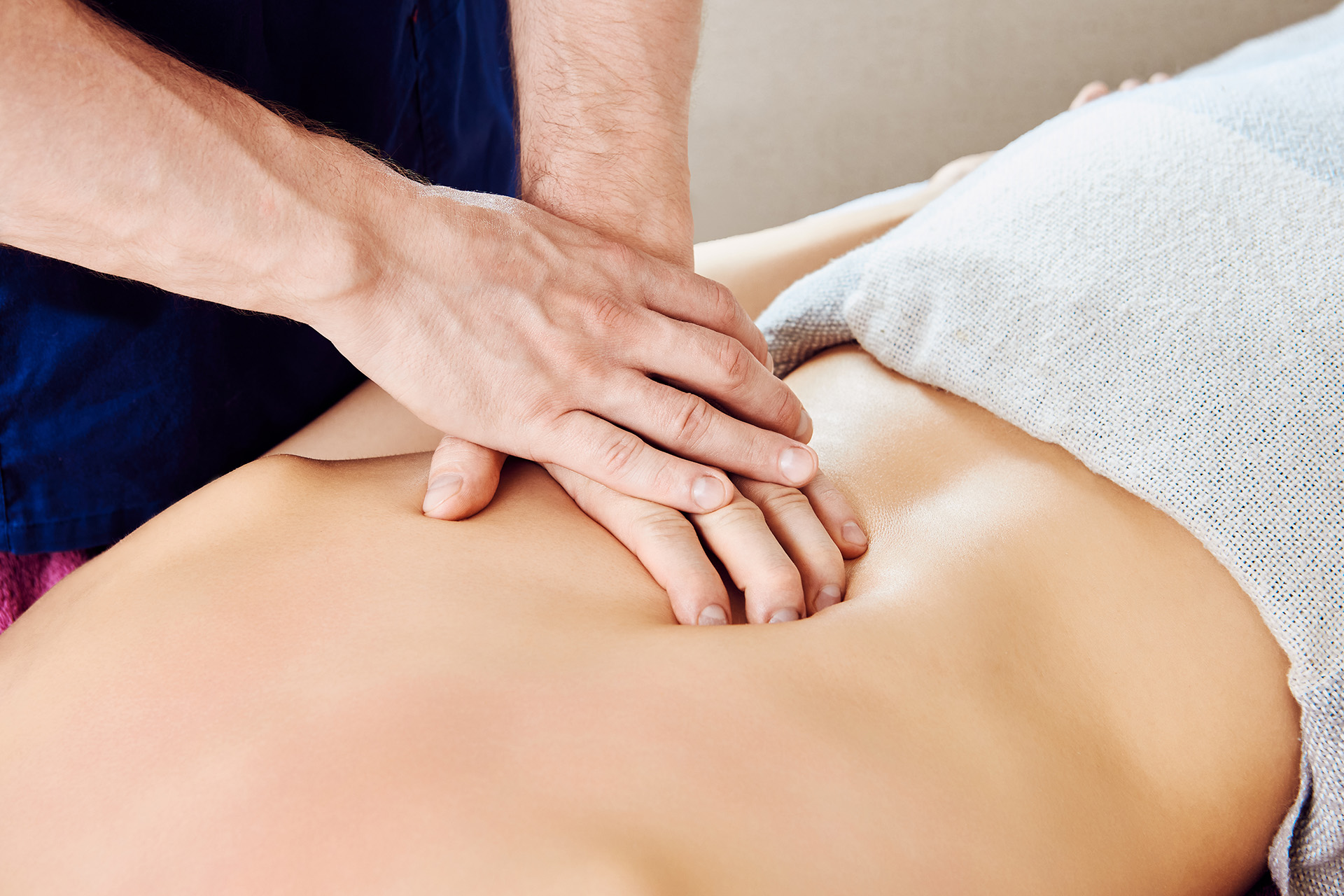
Visceral Manipulation uses gentle manual techniques to improve mobility and motion of the internal organs and their connective tissues. Barral believed that restrictions around organs can alter tension patterns throughout the body and influence the nervous system, circulation, posture, breathing, and autonomic regulation.
Organs move constantly. The lungs glide during breathing. The liver moves with the diaphragm. The intestines shift during digestion. When this movement becomes restricted due to inflammation, surgery, infection, trauma, stress, or adhesions, compensations can develop.
Barral proposed that these restrictions may affect distant structures through fascial and neurological connections.
The Gut-Brain Connection
One of the most important concepts in modern health science is the gut-brain axis — the communication system between the digestive system and the brain.
Many patients with brain fog also experience:
- Bloating
- Constipation
- Reflux
- Food sensitivities
- IBS-like symptoms
- Abdominal tension
Barral practitioners often assess the mobility of structures such as:
- Stomach
- Liver
- Small intestine
- Colon
- Diaphragm
- Mesentery
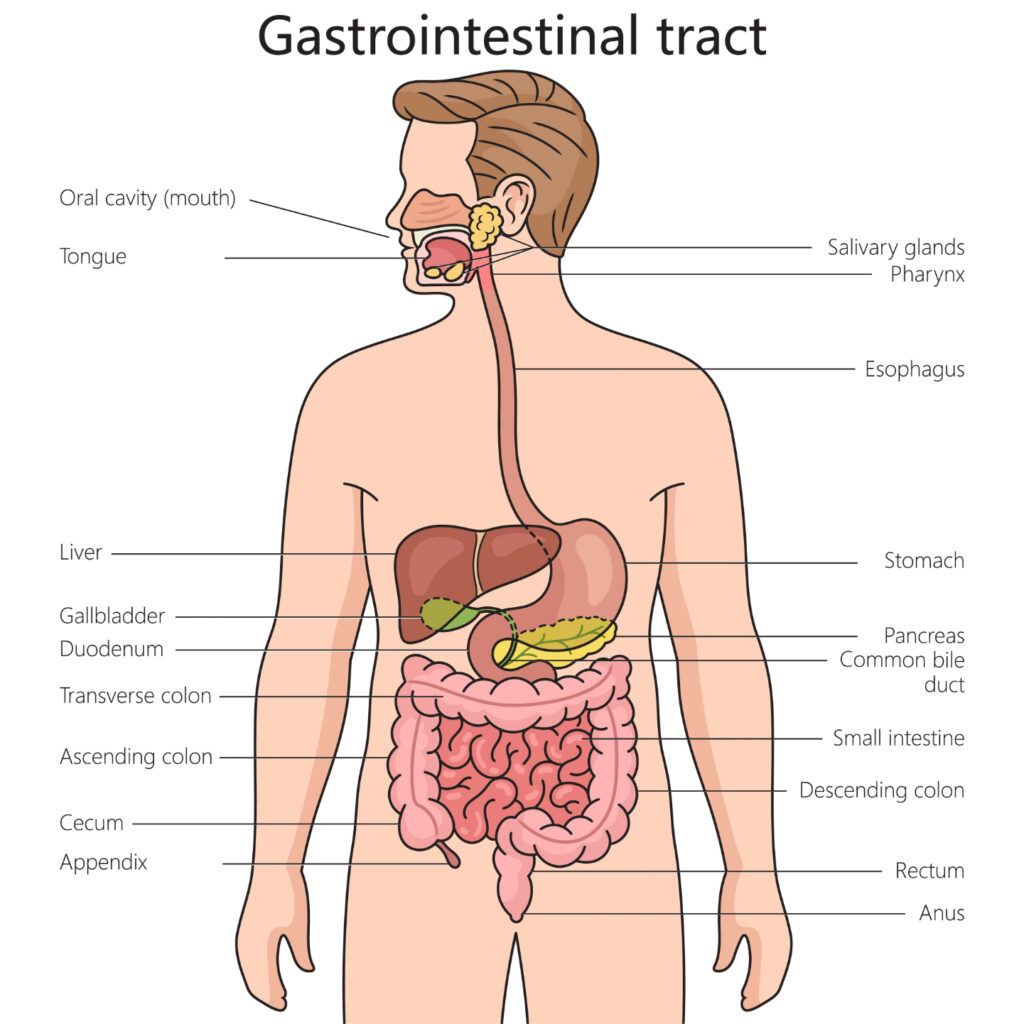
Why? Because irritation in these areas may influence the autonomic nervous system, especially the vagus nerve.
The vagus nerve is one of the primary communication pathways between the gut and the brain. It helps regulate:
- Digestion
- Heart rate
- Stress responses
- Inflammation
- Mood
- Cognitive function
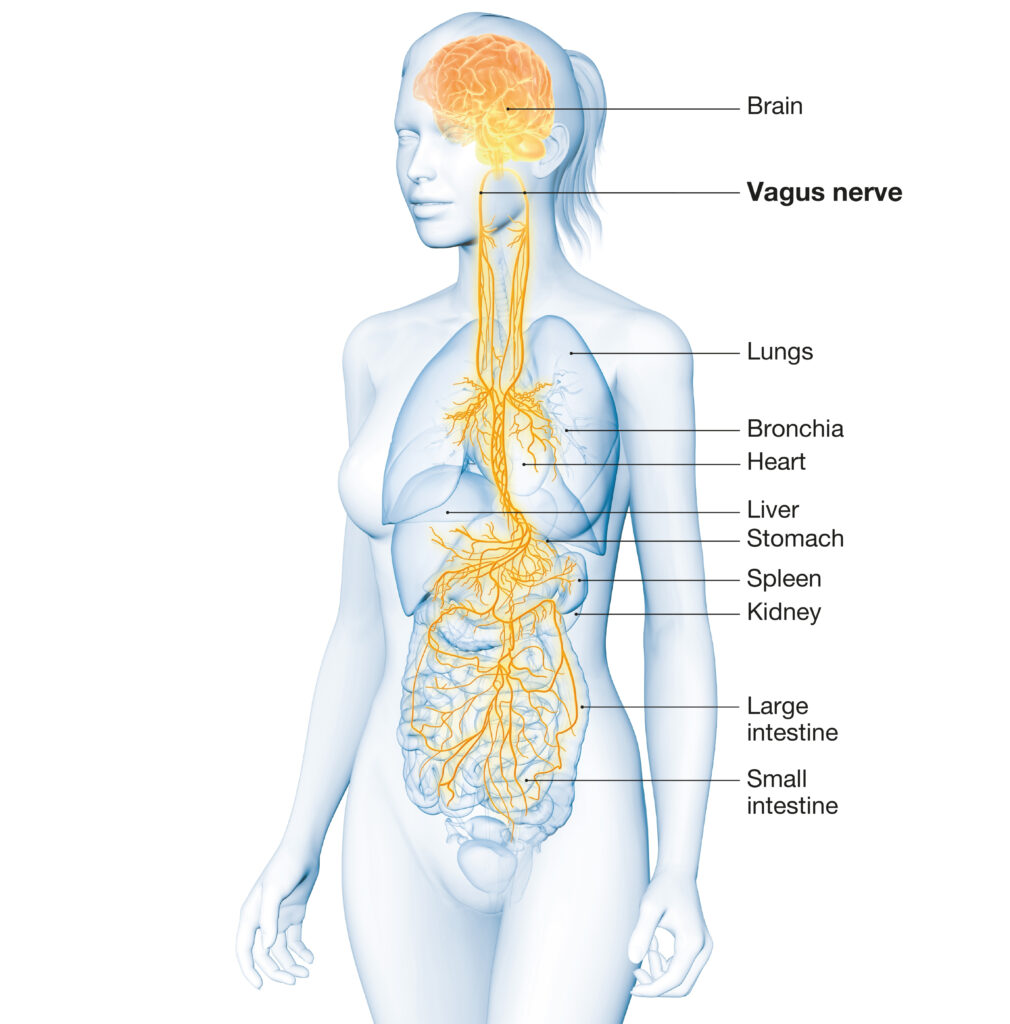
Restrictions affecting the diaphragm, stomach, esophagus, or upper abdominal tissues may theoretically contribute to vagal irritation or dysregulation.
Barral specifically explored neuroendocrine and vagal relationships in his advanced visceral work.
Diaphragm Restrictions and Mental Fatigue
The diaphragm plays a central role in Barral’s work because it affects:
- Breathing efficiency
- Venous return
- Lymphatic drainage
- Rib mobility
- Autonomic nervous system balance
Many people with chronic stress breathe shallowly using the chest rather than the diaphragm. This may increase sympathetic nervous system dominance — the “fight or flight” state associated with anxiety, tension, and mental fatigue.
When the diaphragm loses mobility due to surgery, inflammation, rib restrictions, posture, or chronic stress, the body may remain stuck in a heightened stress response.
Patients often report after treatment:
- Easier breathing
- Reduced chest tightness
- Improved relaxation
- Better sleep
- Greater mental clarity
Although more research is needed specifically for brain fog, the autonomic effects of diaphragmatic release are clinically significant for many practitioners.
Liver Congestion and Cognitive Symptoms
In Barral’s model, the liver is particularly important because it has enormous metabolic and circulatory responsibilities.
The liver helps regulate:
- Blood sugar
- Hormone metabolism
- Detoxification
- Inflammation
- Nutrient processing
Patients with liver congestion or reduced mobility may experience:
- Fatigue
- Headaches
- Irritability
- Digestive symptoms
- Cognitive sluggishness
Barral’s vascular and visceral techniques aim to improve tissue mobility and circulation around the liver and surrounding structures.
While these methods are not a replacement for medical liver care, some patients report improvements in energy and mental clarity after treatment.
Neural Manipulation and Brain Fog
What Is Neural Manipulation?
Neural Manipulation focuses on the mobility and function of nerves and their surrounding tissues. Barral and osteopath Alain Croibier developed this approach to address nerve restrictions throughout the body.
Nerves need to slide and glide freely. When compressed, irritated, or tethered by fascia or scar tissue, they may become hypersensitive.
Barral’s work emphasises both:
- Extra-neural mobility (movement around nerves)
- Intra-neural mobility (mobility within the nerve itself)
The Autonomic Nervous System and Brain Fog
Many people with brain fog appear to have autonomic nervous system dysregulation.
Symptoms may include:
- Fatigue
- Dizziness
- Poor stress tolerance
- Anxiety
- Heart palpitations
- Digestive dysfunction
- Sleep problems
- Temperature sensitivity
Barral’s neural work often targets structures influencing autonomic balance, including:
- Vagus nerve
- Cervical sympathetic chain
- Cranial nerves
- Thoracic outlet
- Occipital region
- Dural restrictions
The goal is not to “force” the nervous system but to reduce mechanical irritation and restore adaptability.
Many practitioners observe that when the nervous system becomes less defensive, cognitive function improves.
Concussion, Neck Trauma, and Brain Fog
Brain fog commonly develops after:
- Concussion
- Whiplash
- Falls
- Head trauma
Barral’s Manual Approach to the Brain and Neural Manipulation systems specifically address cranial, dural, vascular, and neurological relationships associated with head injuries.
After trauma, restrictions may develop around:
- Cranial membranes
- Cervical fascia
- Cranial nerves
- Venous drainage pathways
- Upper cervical joints
3. Vascular Techniques
- Arterial and venous mobility
- Blood flow dynamics
- Relationships between vessels and surrounding fascia
These restrictions may contribute to:
- Headaches
- Visual strain
- Dizziness
- Fatigue
- Sensory overload
- Cognitive dysfunction
Practitioners trained in these approaches use extremely gentle techniques to restore mobility and reduce tension within these systems.
Vascular Manipulation and Cognitive Clarity
Why Blood Flow Matters
The brain consumes enormous amounts of oxygen and nutrients. Even subtle circulatory disturbances may influence mental performance.
Barral’s Visceral Vascular Manipulation focuses on improving mobility and reducing restrictions around arteries, veins, and vascular structures.
This includes regions such as:
- Carotid arteries
- Jugular veins
- Thoracic inlet
- Abdominal vasculature
- Cranial circulation pathways
The theory is that vascular structures must move freely within surrounding tissues to optimise circulation and pressure regulation.
Venous Congestion and Brain Fog
One frequently overlooked issue is venous drainage from the head and neck.
Poor drainage may contribute to symptoms such as:
- Pressure headaches
- Heavy-headed feeling
- Morning fogginess
- Facial congestion
- Fatigue
- Post-concussion symptoms
Restrictions in the thoracic inlet, cervical fascia, diaphragm, or cranial membranes may potentially affect venous return.
Barral’s vascular techniques aim to improve tissue mobility surrounding these structures.
Although high-quality research is still emerging, many manual therapists clinically observe improvements in:
- Alertness
- Head pressure
- Energy
- Cognitive endurance
after restoring cervical and thoracic mobility.
The Role of Fascia in Brain Fog
Barral’s work strongly emphasises fascia — the connective tissue network surrounding every organ, nerve, blood vessel, and muscle.
Fascial restrictions may create:
- Mechanical tension
- Altered posture
- Reduced circulation
- Neural irritation
- Compensatory strain patterns
Because fascia forms continuous chains throughout the body, a restriction in the abdomen may influence the neck, rib cage, pelvis, or cranial region.
For example:
- Abdominal surgery may alter diaphragmatic mechanics
- Diaphragm restriction may affect breathing
- Altered breathing may affect autonomic regulation
- Autonomic dysregulation may contribute to brain fog
This systems-based perspective is central to Barral’s philosophy.
Why Patients Often Feel “Calmer” After Treatment
One of the most commonly reported effects of Barral-based therapies is a profound sense of calmness.
Patients frequently describe:
- Feeling lighter
- Easier breathing
- Mental quietness
- Reduced overstimulation
- Better sleep
- Improved focus
This may relate to changes in autonomic nervous system activity.
By reducing mechanical stress within the body, these therapies may help the nervous system shift toward parasympathetic dominance — the “rest, digest, and repair” state.
What Does the Research Say?
Research on manual therapy and brain fog specifically is still limited. However, Barral’s methods have been explored clinically for conditions involving:
- Concussion
- Chronic pain
- Digestive dysfunction
- Autonomic imbalance
- Headaches
- Musculoskeletal pain
Jean-Pierre Barral has over half a century of clinical observations and comparative studies suggesting benefits for neurological and systemic dysfunctions.
At the same time, it is important to be balanced and realistic:
- More large-scale independent studies are needed
- Mechanisms are still being investigated
- Results vary between individuals
- These therapies should complement, not replace, medical care
Brain fog can also result from serious medical conditions, including:
- Thyroid disease
- Sleep apnea
- Autoimmune disorders
- Nutritional deficiencies
- Long COVID
- Depression
- Medication effects
- Neurological disease
A proper medical evaluation is essential when symptoms are persistent or worsening.
What Happens During a Barral-Based Treatment?
Treatment is typically very gentle.
A practitioner may assess:
- Organ mobility
- Fascial tension
- Cranial motion
- Nerve glide
- Vascular restrictions
- Diaphragm movement
- Scar tissue
- Postural compensations
Treatment often involves subtle manual contacts rather than forceful manipulation.
Patients commonly notice:
- Deep relaxation
- Emotional release
- Improved breathing
- Reduced pressure
- Increased body awareness
Some patients feel immediate clarity, while others improve gradually over several sessions.
Who May Benefit?
People experiencing brain fog associated with the following may potentially benefit from Barral-based approaches:
- Chronic stress
- Digestive dysfunction
- Concussion history
- Whiplash
- Neck tension
- Post-viral fatigue
- Chronic inflammation
- Headaches
- Poor breathing mechanics
- Autonomic dysregulation
- Scar tissue and surgery
- Persistent fatigue syndromes
These approaches are especially appealing for patients seeking a whole-body perspective rather than symptom suppression alone.
Final Thoughts
Jean-Pierre Barral’s visceral, neural, and vascular manipulation techniques offer a fascinating systems-based perspective on brain fog.
Rather than viewing cognitive symptoms as isolated problems within the brain alone, Barral’s work explores how the organs, fascia, nerves, circulation, and autonomic nervous system may all contribute to mental clarity and neurological resilience.
While more scientific research is needed, many patients and practitioners report meaningful improvements in:
- Mental clarity
- Energy
- Stress tolerance
- Sleep
- Headaches
- Cognitive endurance
- Overall well-being
The growing interest in the gut-brain axis, vagal regulation, fascia, and neurovascular health suggests that the future of treating brain fog may increasingly involve understanding the body as an interconnected whole.
For many patients, restoring clarity may begin not only with the brain but also with the body systems that support it every second of the day.