Headaches and migraines are among the most common and disabling conditions worldwide. Migraines alone affect over a billion people globally and are a leading cause of disability, particularly in younger adults and women. While medications remain the cornerstone of treatment, many patients continue to experience persistent symptoms, side effects, or incomplete relief. This has led to growing interest in manual and integrative therapies—including the work of Jean-Pierre Barral.
Barral’s approach—encompassing neural manipulation, visceral manipulation, and vascular techniques—offers a different perspective: headaches and migraines may arise not only from the brain itself but also from restrictions in the body’s connective tissues, organs, nerves, and blood vessels.
This article explores how these techniques work, their theoretical basis, and the current evidence on their effectiveness for headaches and migraines.
Understanding Migraines Beyond the Brain
Migraine is now understood as a complex neurovascular condition involving multiple systems. Key contributors include:
- The trigeminovascular system
- Brainstem and hypothalamic dysfunction
- Neurochemical mediators like CGRP
- Autonomic nervous system imbalance
This complexity helps explain why treating migraines purely as a “brain disorder” often falls short. Barral’s work aligns with a broader systems-based view—suggesting that mechanical restrictions in the body can influence neurological and vascular function, potentially triggering or perpetuating headaches.
What Are Barral’s Techniques?
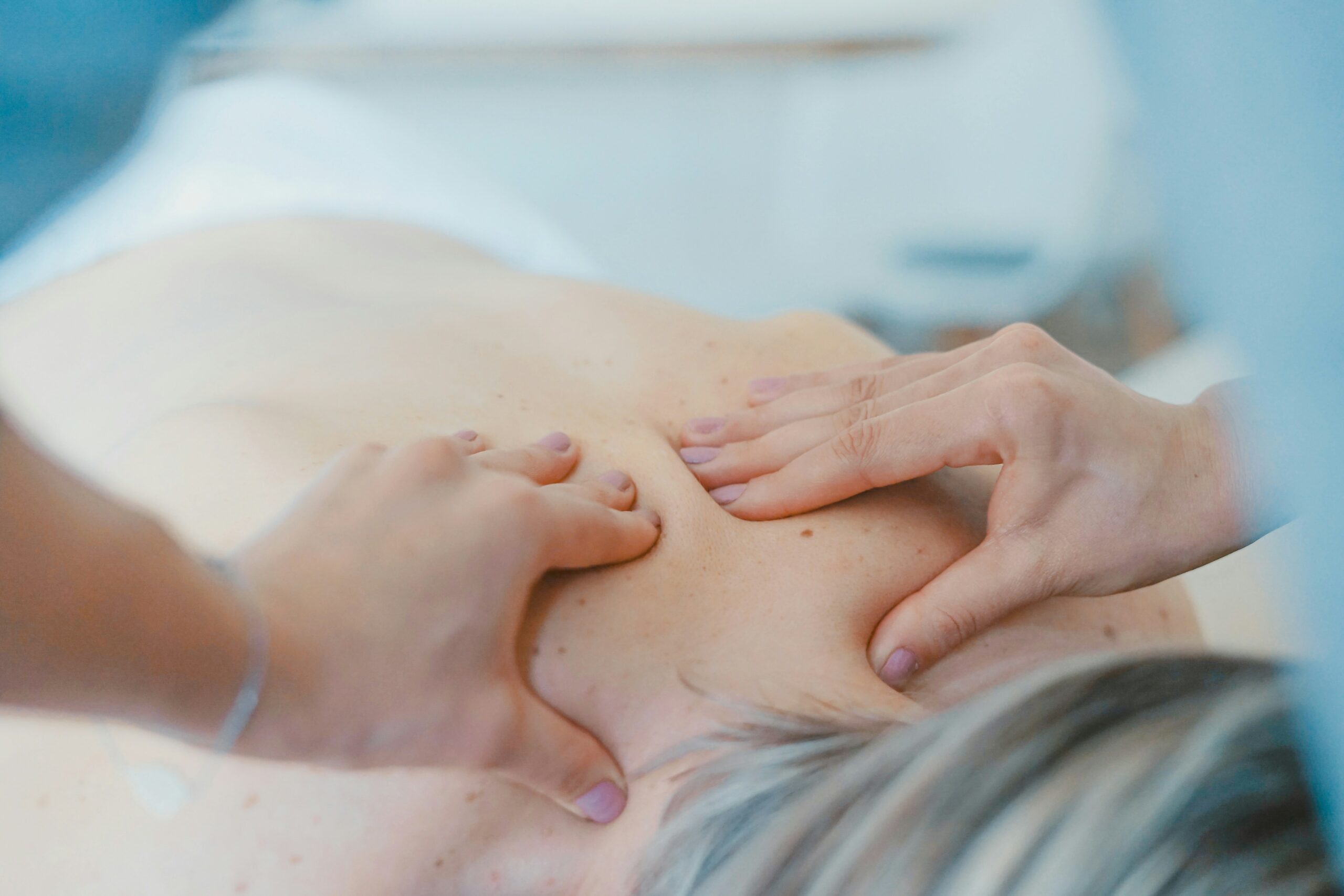
Barral’s approach includes three core manual therapy systems:
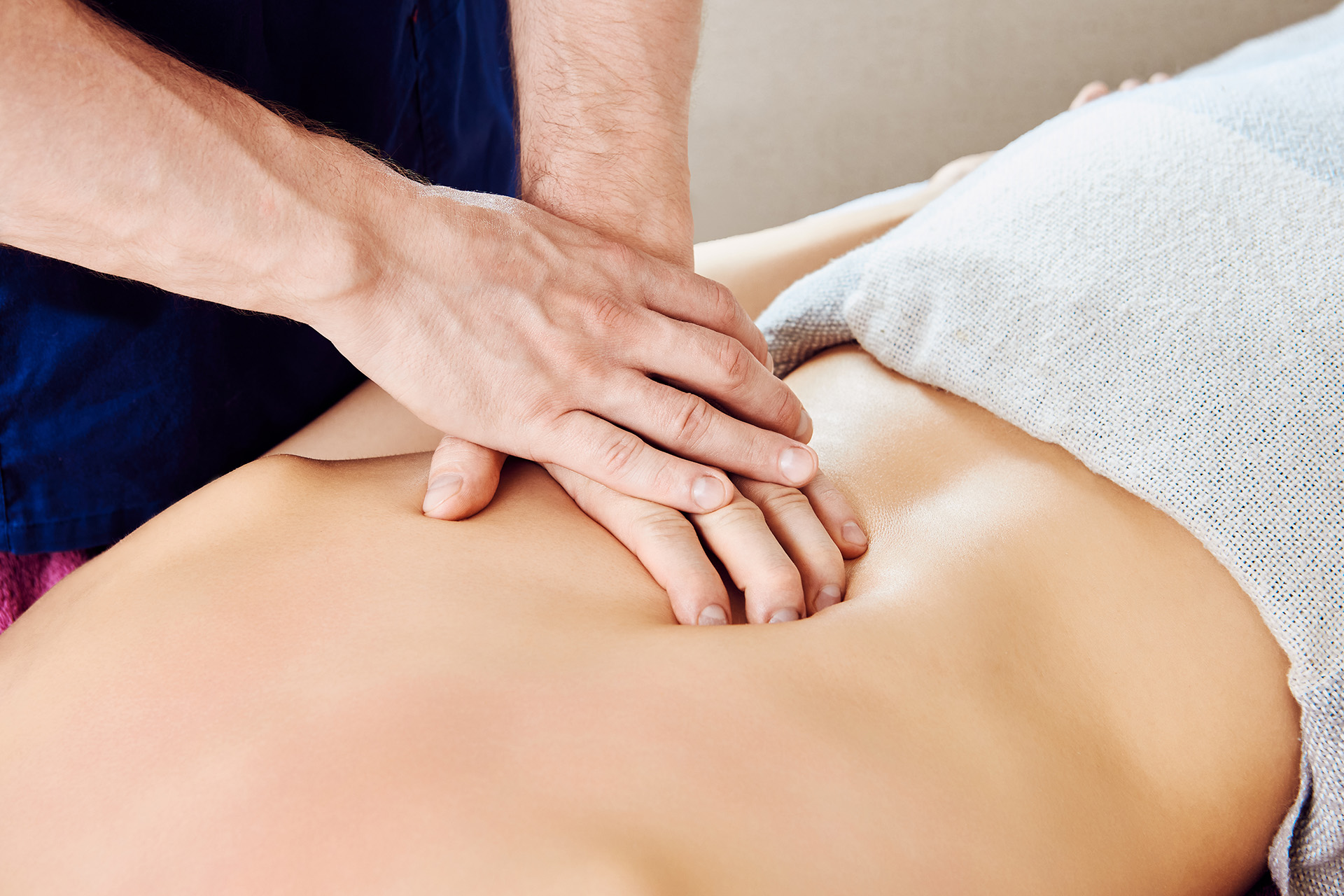
1. Visceral Manipulation (VM)
A gentle hands-on technique targeting the mobility and motility of internal organs and their fascial connections.
- Focuses on organs like the liver, stomach, intestines, lungs, and brain
- Aims to restore natural motion and reduce tension
- Pain that feels “diffuse” Influences surrounding nerves, blood vessels, and musculoskeletal structuresor hard to localise
Visceral manipulation works by addressing dysfunctions across multiple systems—including the musculoskeletal, vascular, and nervous systems.
2. Neural Manipulation (NM)
Targets mechanical restrictions within the nervous system.
- Addresses the cranial, spinal, and peripheral nerves
- Focuses on nerve mobility and tension
This approach considers that even subtle restrictions can alter nerve signalling and pain perception.
3. Vascular Techniques
Though less widely discussed, Barral’s vascular work focuses on:
- Arterial and venous mobility
- Blood flow dynamics
- Relationships between vessels and surrounding fascia
Given the strong vascular component in migraine, this is particularly relevant.
How These Techniques May Help Headaches and Migraines
1. Reducing Mechanical Irritation of Nerves
Many headaches—especially migraines—are linked to irritation of the trigeminal nerve and upper cervical nerves.
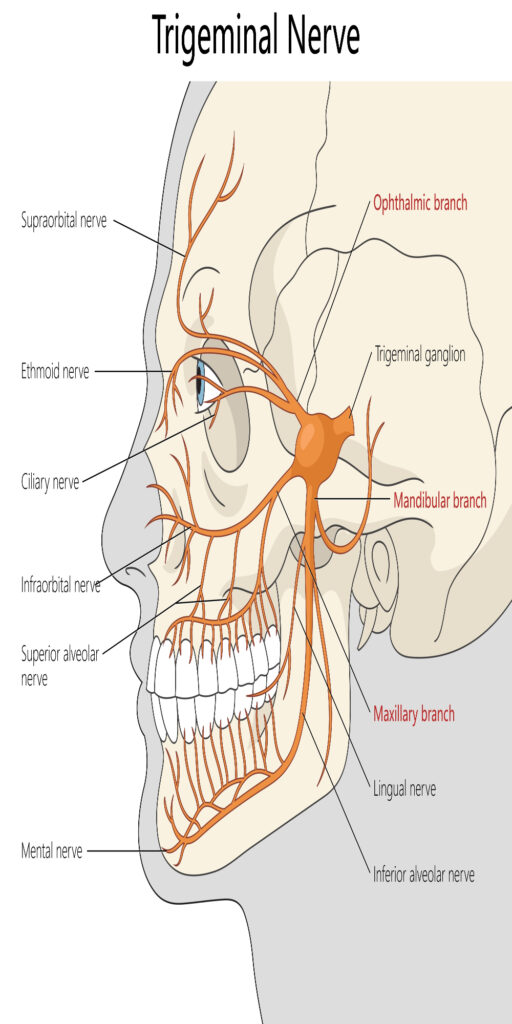
Barral’s neural manipulation proposes that:
- Fascial restrictions can compress or tense nerves
- Reduced nerve mobility increases sensitivity
- Restoring movement reduces nociceptive signalling
For example:
- Restrictions in the cranial dura may affect trigeminal pathways
- Cervical nerve tension may contribute to referred head pain
By releasing these restrictions, neural manipulation aims to decrease nerve hypersensitivity, a key feature of migraines.
2. Improving Vascular Dynamics
Migraine has a strong vascular component, involving:
- Changes in cerebral blood flow
- Vessel dilation and constriction
- Neurovascular inflammation
Barral’s vascular techniques aim to:
- Restore arterial elasticity
- Improve venous drainage
- Reduce mechanical tension around vessels
This may help regulate the neurovascular cascade involved in migraine attacks.
3. Addressing Visceral Contributions to Headaches
One of Barral’s most unique contributions is the idea that organ dysfunction can contribute to headaches.
Examples include:
- Liver congestion → increased systemic inflammation
- Gastric dysfunction → vagus nerve irritation
- Intestinal tension → autonomic imbalance
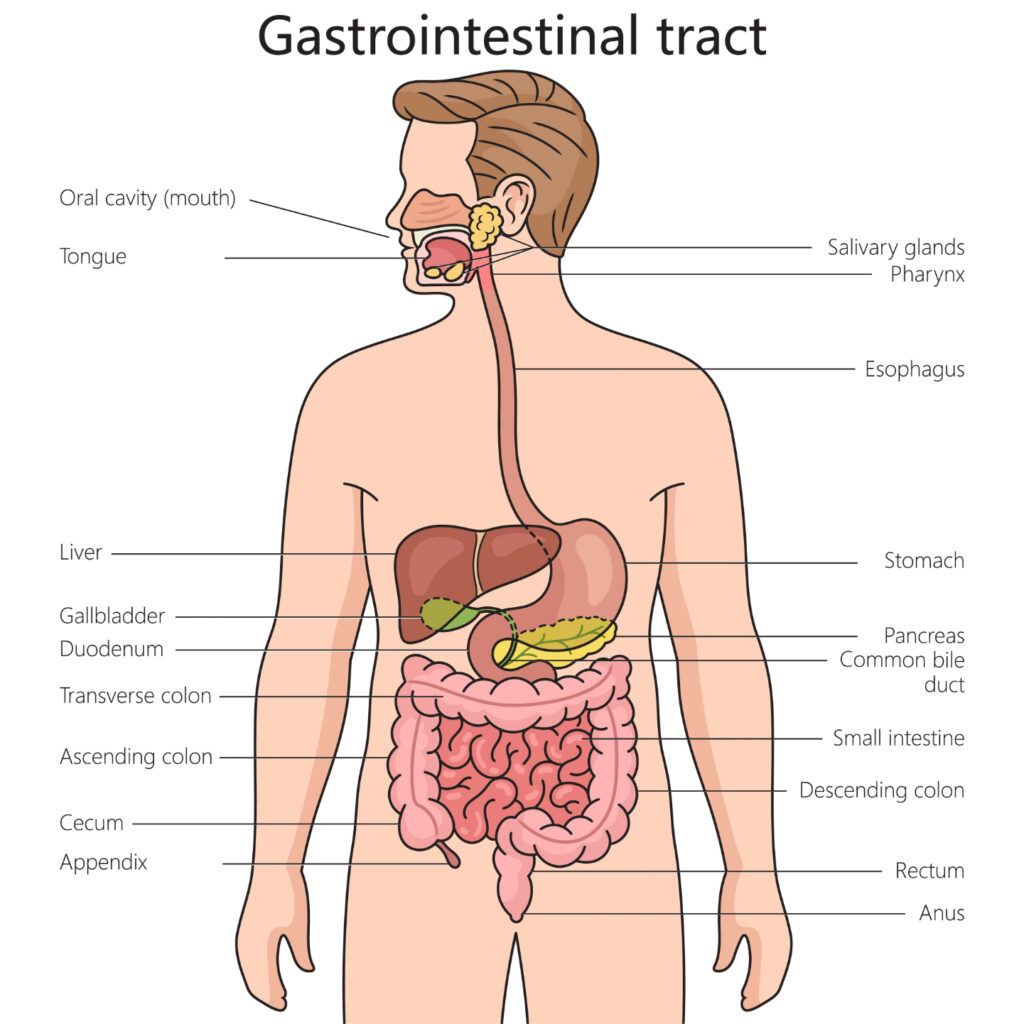
The vagus nerve—connecting the brain to many organs—plays a key role here. Dysfunction in visceral structures, such as the stomach and liver, may influence:
- Parasympathetic neural tone
- Stress response
- Pain modulation
Visceral manipulation aims to restore normal organ mobility, potentially reducing these influences.
4. Regulating the Autonomic Nervous System
Migraines are strongly linked to autonomic dysregulation, including:
- Sympathetic overactivity
- Parasympathetic imbalance
Barral manual therapies may influence this system by:
- Stimulating mechanoreceptors
- Reducing tissue tension
- Enhancing vagal tone
This could explain why some patients report improvements not just in headaches, but also in:
- Sleep
- digestion
- stress levels
5. Reducing Fascial Tension and Global Strain Patterns
Barral’s philosophy emphasises that the body functions as an interconnected system.
Fascial restrictions can:
- Transmit tension across distant regions
- Alter posture and biomechanics
- Influence cranial structures
For example:
- A restriction in the diaphragm may affect thoracic pressure
- This may influence venous return from the head
- Resulting in headache or migraine symptoms
By addressing these global strain patterns, treatment may reduce overall load on the nervous system.
What Does the Scientific Evidence Say?
Here’s where things require a balanced and honest perspective.
1. Manual Therapy Evidence for Migraine
Scientific research on manual therapy for migraines shows mixed results. However, it is important to note that the overwhelming bulk of these studies focus on spinal manipulations and muscular therapies, not on Jean-Pierre Barral’s unique manual therapy approach.
- Some studies suggest small improvements in migraine frequency and intensity
- Others find no meaningful effect compared to control treatments
- Overall, evidence quality is often low or inconsistent
Importantly:
- Most studies focus on spinal and muscular manipulation — not Barral’s specific methods
- Visceral and neural manipulation are under-researched
2. Lack of Direct Evidence for Barral Techniques
There is currently:
- Limited high-quality randomised controlled trials
- Reliance on case studies and practitioner reports
- A need for more rigorous, independent research
The Barral Institute cites case studies showing improvements in headache and migraine symptoms, but these do not provide the same level of evidence as controlled trials.
3. Why Evidence May Lag Behind Practice
There are several reasons why research in this area is limited:
- Techniques are highly individualised
- Difficult to standardise treatment protocols
- Blinding and placebo control are challenging
- Outcomes may be multifactorial
This does not mean the techniques are ineffective—but it does mean claims should be interpreted within this broader context, and that more research is needed.
Clinical Observations and Patient Experience
Despite limited high-level research evidence, many clinicians and patients report positive outcomes using Barral’s treatment methods.
Common patient-reported benefits include:
- Reduced headache frequency
- Decreased intensity of migraines
- Improved neck and jaw tension
- Better stress tolerance
Safety Considerations
Compared to high-velocity spinal manipulation, Barral’s techniques are:
- Gentle
- Low-force
- Generally considered low risk
- Place less force into a patient’s system than they are exerting on themselves during daily activities
This is relevant because some forms of spinal manipulation have been associated with rare but serious complications, such as arterial injury.
However, as with any therapy:
- Proper training is essential
- Not all patients are suitable candidates
- Medical evaluation is important for red-flag symptoms
Who Might Benefit Most?
Barral-based therapies may be particularly useful for patients with:
- Chronic, treatment-resistant migraines
- Headaches associated with neck tension
- Digestive or hormonal symptoms alongside headaches
- Post-surgical or trauma-related patterns
They are often used as part of an integrative care plan, alongside:
- Medical management
- Physiotherapy
- lifestyle modification
A Realistic Perspective
It’s important to strike a balanced view.
What these techniques likely offer:
- A holistic, systems-based approach
- Potential improvements in some patients
- Low-risk adjunctive therapy
What they do NOT yet offer:
- Strong, high-quality scientific proof
- A universal solution for all migraines
- Replacement for medical care
The Future of Manual Therapy for Migraines
Interest in integrative and manual therapies continues to grow. Future research may focus on:
- Neurovascular effects of manual therapy
- Role of fascia in pain transmission
- Autonomic nervous system modulation
- High-quality trials of visceral and neural manipulation
As our understanding of migraine evolves, therapies that address whole-body interactions may become increasingly relevant.
Conclusion
Jean-Pierre Barral’s neural, visceral, and vascular techniques offer a compelling and holistic framework for understanding and treating headaches and migraines.
They propose that:
- The body is deeply interconnected
- Mechanical restrictions can influence neurological and vascular function
- Treating the source—not just the symptoms—is likely to improve outcomes
While scientific evidence remains limited, these techniques provide meaningful relief for many patients—particularly when used as part of a broader, integrative treatment strategy.
For patients struggling with persistent headaches or migraines, Barral-based therapies are worth exploring. They offer a gentle, safe and genuinely holistic approach to treating the debilitating effects of migraine and headache.