Lower back pain is one of the most common health complaints worldwide and, in most clinical settings, is attributed to musculoskeletal issues: disc degeneration, muscular strain, or postural dysfunction. But what if the pain you’re feeling isn’t primarily from your spine or soft tissues? According to Jean-Pierre Barral, an osteopath and physical therapist, and the founder of Visceral Manipulation, internal organs—the viscera—can be hidden drivers of lower back pain through viscero-somatic reflexes and fascial tension patterns.
Barral’s work is rooted in the observation that viscera move constantly with respiration, digestion, and blood flow; when that movement is restricted, tension can transfer through fascial attachments to the musculoskeletal system and manifest as back pain. In this article, we explore five visceral causes of lower back pain from this perspective—kidneys, colon, uterus/prostate, pancreas, and bladder—and explain both what each organ does and how dysfunction can present as back pain.
1. Kidneys: Filtration, Fluid Balance, and Flank-to-Lower-Back Pain
Organ Function and Purpose
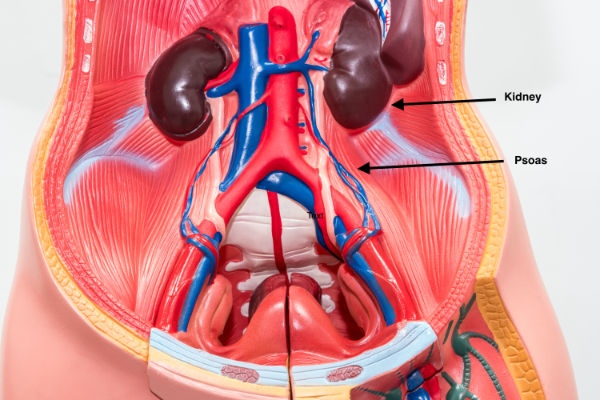
The kidneys are a paired set of bean-shaped organs located high on either side of the spine, just below the rib cage. Their main functions include:
- Filtering blood to remove waste products and excess fluids.
- Forming and concentrating urine.
- Regulating electrolytes, blood pressure, and acid-base balance.
These organs play critical roles in homeostasis—the stability of the internal environment. Without properly functioning kidneys, the body cannot efficiently eliminate toxins or maintain fluid balance.
How Kidney Dysfunction Can Cause Lower Back Pain
Because of their position and nerve supply, kidney pain often presents as flank or lower back pain. Conditions such as kidney stones, infections (pyelonephritis), or inflammatory issues may cause intense discomfort perceived in the lower back rather than the abdomen.
From Barral’s perspective, when a kidney’s mobility is restricted—perhaps due to past trauma, fascial adhesions, or chronic inflammation—it can create a tension pattern that pulls on surrounding fascia and ligaments anchored to the lumbar spine. Over time, this continuous pull may manifest as persistent low back pain, even though the underlying issue originates inside the abdomen.
A classic example of this is symptomatic muscular tension in the psoas muscle. The kidneys are surrounded by supportive renal fat and sit directly on top of the psoas muscle. When kidney function is compromised, it often loses its ability to slide and glide freely over the psoas muscle; the psoas muscle tightens up to guard, protect, and immobilise the kidney, preventing further irritation. The psoas muscle anchors onto the lateral aspects of the lumbar spine, and the consequent effect of this protective muscle tightening is the experience of lower back pain.
Clinical Clues
Kidney-related pain may be accompanied by systemic signs such as fever, chills, urinary abnormalities, or nausea. Since these signals often accompany severe renal pathology, distinguishing them from purely musculoskeletal pain is essential.
2. The Colon: Digestion, Absorption, and Referred Lumbar Pain
Organ Function and Purpose
The colon, or large intestine, is the final section of the digestive tract. Its principal roles are:
- Absorbing water and electrolytes from the remaining digested material.
- Forming and storing feces.
- Hosting a significant portion of the gut microbiome, crucial for immune and metabolic health.
This organ plays a large role in overall digestive wellbeing and influences many systemic functions through neural and hormonal signalling.
Colon Dysfunction and Back Pain
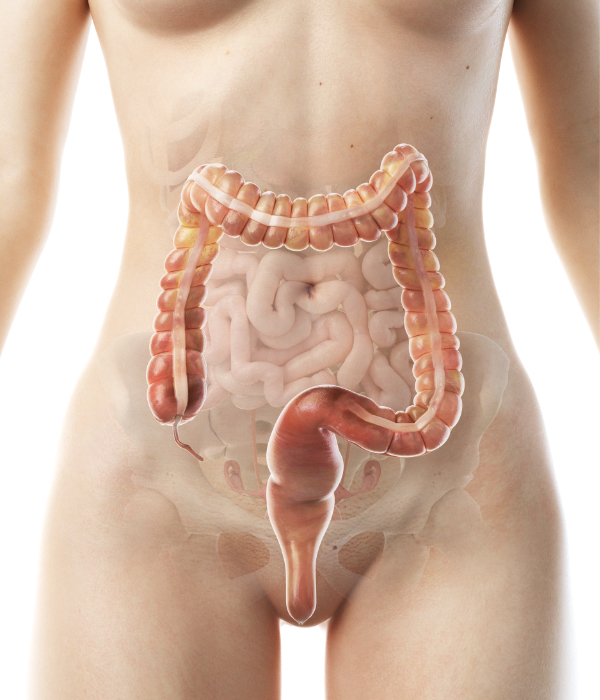
When the colon becomes stressed—due to abdominal bloating, constipation, inflammatory bowel disease (IBD), or diverticulitis—pain signals from its nerve supply can be perceived in the lower back region due to viscero-somatic referral. The colon’s segmental innervation overlaps with the lumbar spine, meaning irritation in the colon may “refer” pain to the back.
Barral noted that limited visceral mobility—such as reduced movement in the colon due to adhesions, inflammation, or chronic constipation—can impose abnormal tension on its fascial attachments. These forces travel through connective tissues and may ultimately affect the lumbar spine and ribs, leading to pain.
Clinical Clues
Colon-related referred pain may fluctuate with bowel habits, dietary changes, bloating, or other digestive symptoms such as diarrhea or constipation. In cases like IBD, pain may be persistent and accompanied by systemic signs such as weight loss or fatigue.
3. Uterus and Prostate: Reproductive Organs and Lower Back Discomfort
Organ Functions and Purpose
Both organs are deeply integrated into hormonal, urinary, and pelvic musculoskeletal networks.
Uterus (in females)
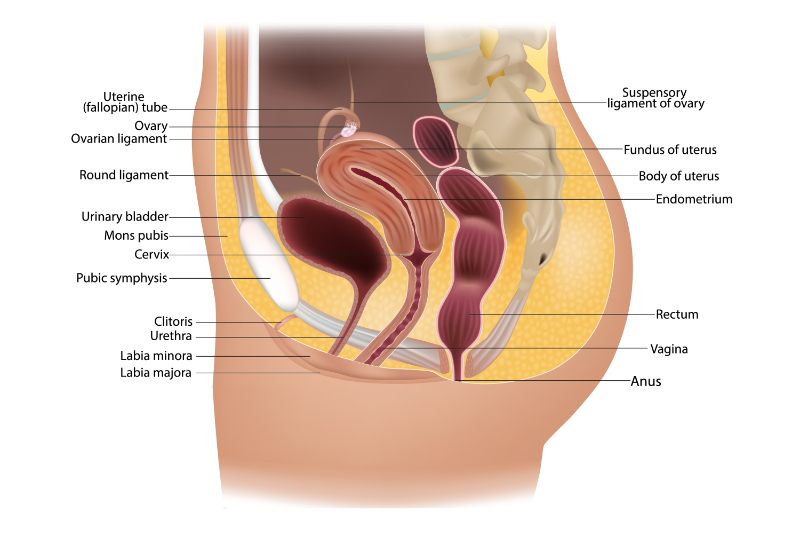
The uterus is a muscular, pear-shaped organ in the pelvis responsible for:
- Providing a nurturing environment for a fetus during pregnancy.
- Playing an active role in the menstrual cycle.
- Facilitating childbirth.
Prostate (in males)
The prostate gland is located just below the bladder and encircles the urethra. Its primary contributions include:
- Producing seminal fluid that nourishes and transports sperm.
- Supporting male reproductive function.
Reproductive Organ Dysfunction and Lower Back Pain
Conditions such as endometriosis, uterine fibroids, ovarian cysts, pelvic inflammatory disease (PID) in women, or prostatitis and prostate enlargement in men can cause referred pain to the lower back.
Barral’s observations suggest that restricted mobility or adhesion of pelvic organs can alter the function of pelvic fascia and ligaments—structures intimately connected to the sacrum and lumbar spine. Over time, this abnormal tension can cause compensatory postural changes and back pain.
Clinical Clues
Reproductive organ-related pain might be cyclical (e.g., with menstruation), accompany urinary symptoms, or present with pubic or pelvic discomfort. Because such pain patterns are complex, medical evaluation is often necessary to distinguish between somatic and visceral sources.
4. Pancreas: Digestion, Glycemic Control, and Referred Back Pain
Organ Function and Purpose
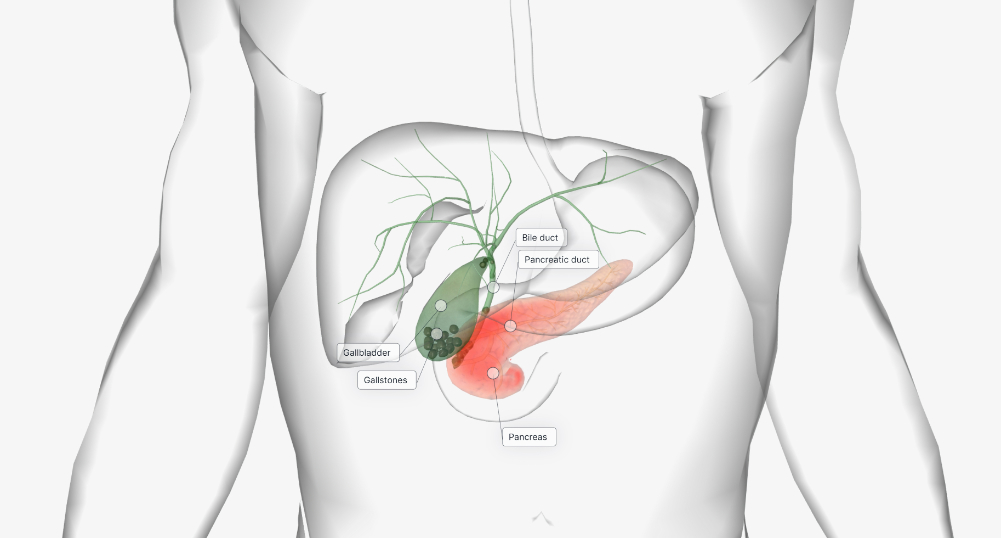
The pancreas is a long, flat gland tucked behind the stomach. It serves two major roles:
- Endocrine function: Produces hormones such as insulin and glucagon to regulate blood sugar.
- Exocrine function: Produces digestive enzymes that break down fats, proteins, and carbohydrates in the small intestine.
Healthy pancreatic function is vital for nutrient metabolism and energy balance.
Pancreatic Dysfunction and Back Pain
When the pancreas becomes inflamed—such as in acute or chronic pancreatitis—the pain is often intense and typically begins in the upper abdomen. However, it frequently radiates to the lower back due to shared nerve pathways and segmental innervation.
From a visceral manipulation standpoint, a restricted or tense pancreas can alter fascial tension in the abdominal cavity, creating compensatory strain that extends posteriorly to the lumbar spine. Although the pancreas sits higher in the abdomen, its neural and fascial links allow pain to be felt in the lower back.
Clinical Clues
Pancreatic pain is typically severe and may change with food intake, particularly high-fat meals. It is often accompanied by nausea, vomiting, and sometimes fever—signs that differentiate it from muscular back pain.
5. Bladder: Urinary Reservoir and Pelvic-Low Back Interactions
Organ Function and Purpose
The bladder is a muscular reservoir that stores urine produced by the kidneys until it’s ready to be expelled from the body. Its key roles include:
- Holding urine at low pressure.
- Coordinating with the nervous system to facilitate controlled urination.
- Preventing leakage.
A healthy bladder is integral to urinary continence and pelvic floor function.
Bladder Dysfunction and Lower Back Pain
Bladder irritation, infection (e.g., cystitis), or stones can produce lower pelvic and back pain. Referred pain from the bladder can project to the lower back, particularly because the pelvic floor musculature and fascia are closely linked to lumbar and sacral segments.
According to Barral’s clinical model, when the bladder or surrounding structures are restricted, the tension can be transmitted to the sacrum and lower lumbar fascia, contributing to chronic low back discomfort.
Clinical Clues
Bladder-related pain often comes with urinary symptoms such as urgency, dysuria (pain with urination), or frequency. Recognising these patterns helps differentiate bladder issues from structural musculoskeletal pain.
Bringing It Together: Why Visceral Dysfunction Matters for Back Pain
Jean-Pierre Barral’s work challenges the conventional view that all back pain stems from spinal structures, discs, or muscles. Instead, he proposes that internal organs and their ability to move and function normally are deeply connected with the health of the musculoskeletal system.
Fascial Connections and Visceral Mobility
Every organ is suspended and covered in fascia—a connective tissue web that ties organs to each other and to the skeleton. When an organ becomes restricted due to infection, inflammation, adhesions (from surgery or trauma), or chronic tension, it does not simply “sit still.” Instead, that restriction travels outward—just like a tethered kite pulling on its line—and can create pain in places that seem unrelated, like the lower back.
Neurological Referral Patterns
Visceral pain triggers via shared spinal segments can cause the brain to interpret discomfort in the back when the primary issue originates in an internal organ. This mechanism, known as referred pain, is well-documented in clinical science.
Conclusion: Embracing a Broader View of Back Pain
Lower back pain is frequently treated as a purely musculoskeletal problem—but in many cases, particularly when pain is persistent, poorly localised, or accompanied by systemic symptoms, a visceral origin should be considered.
Jean-Pierre Barral’s visceral manipulation offers a framework for understanding how internal organs—the kidneys, colon, reproductive organs, pancreas, and bladder—can influence lower back pain through fascial and neural pathways.
Recognising these connections expands our diagnostic lens and encourages holistic assessment and treatment. If lower back pain doesn’t respond to conventional therapy, or if it coexists with digestive, urinary, or pelvic symptoms, a deeper look at visceral function and mobility might hold the key to long-term relief.